Psychedelic Emergency, Acute, and Continuing care Education (P.E.A.C.E.)
P.E.A.C.E. training for Law Enforcement professionals equips officers with practical, evidence-informed skills for recognizing and responding to psychedelic-related crises in the field. Through real-world case examples and bodycam footage, officers learn how psychedelic crises may present, how to rapidly assess potential threats and safety concerns, and how to use strategic communication, de-escalation, and scene stabilization techniques to gain cooperation and reduce the risk of escalation.
The training is designed to support safer, more effective decision-making during complex and unusual encounters. Officers learn approaches that can reduce the risk of officer and civilian injury, unnecessary use of force, and potential liability while supporting effective coordination and handoff to EMS and behavioral health partners.
Training for Law Enforcement Professionals
Training Overview
Training Structure
Module 1: Psychedelic Crisis Assessment and Intervention
Lesson 1: Fundamentals of Psychedelics
Lesson 2: Recognizing Psychedelic Crisis
Lesson 3: Responding to Psychedelic Crisis
Lesson 4: Psychedelic Laws and Law Enforcement Liability
Module 2: Psychedelic Crisis Response: Applied Skills
Bridging Theory to Practice: Expert Perspectives on Psychedelic Crisis Response
Bodycam Footage Review and Discussion
Take the Course
P.E.A.C.E. training is hosted on the CWI Professional Resource Library, a private, curated platform for mental health professionals, law enforcement, first responders, and educators to learn, connect, and grow.
Follow these 3 steps to gain access:
Complete the Pre-Course Assessment. You are not required to answer any questions to submit the form.
After submitting the Pre-Course Assessment, you will be automatically redirected to an account registration page for the CWI Professional Resource Library.
Complete the account registration process. Please allow up to two business days for account approval.
By registering on the CWI Professional Library, you will then have access to the training curriculum; you will also gain access to dozens of additional professional development courses and resources within the CWI Professional Resource Library.
OPOTA Accreditation
The Ohio Peace Officer Training Academy (OPOTA) will provide 3.25 CPT credit to Law Enforcement Officers for completion of the P.E.A.C.E. training.
Certificate of Completion
A certificate of completion will be sent to all trainees who complete the required components. Certificates will be sent via email within 21 days of training completion.
Eligibility
Must be an active or retired law enforcement professional working in Ohio.
Eligible law enforcement personnel include, but are not limited to: Police, Sheriff, State Police & Highway Patrol, University/College Public Safety, Fish & Game Warden, National Park Service, Transit & Railroad Officer, Mental Health Crisis Intervention Responders.
P.E.A.C.E. Law Enforcement Expert Trainers

-
Sara Gael is a psychedelic therapist, educator, and organizational leader. She currently serves as the Project Lead for the P.E.A.C.E. program. Sara has 14 years of experience in the psychedelic field including psychedelic therapy, peer support, and community movement-building.
Sara is the Co-Founder of Memoru Center for Visionary Healing Arts. She provides mentorship, consulting, and strategic support to organizations and individuals in the psychedelic ecosystem. She worked at the Multidisciplinary Association for Psychedelic Studies (MAPS) for 10 years, where she served as Director of Harm Reduction, overseeing the work of the Zendo Project and scaling peer support services to four continents, training thousands of individuals, and bringing peer support to over 6,000 individuals. She was Board President of DanceSafe, a national harm reduction and drug checking organization.
Sara was the appointed harm reduction advocate representative on the Denver Psilocybin Mushroom Policy Review Panel and spearheaded the MAPS Denver First Responder Psychedelic Crisis Assessment and Intervention Training. Sara served as an Investigator/Therapist for Lykos Therapeutics Phase 2, Phase 3, and MT-1 clinical trials researching the safety and efficacy of MDMA-Assisted Therapy for PTSD and has served as a Lykos Educator and Associate Supervisor. She is the Lead Facilitator and founding Course Director for the Integrative Psychiatry Institute Psychedelic Assisted Therapy Training, overseeing a global faculty of over 30+ esteemed mental health experts, developing over 300 hours of curriculum, and delivering quality education to over 2,000 students.
Sara believes in the potential of psychedelics as catalysts for individual, community, and collective healing and the need to responsibly and ethically steward these medicines into mental health and society.

-
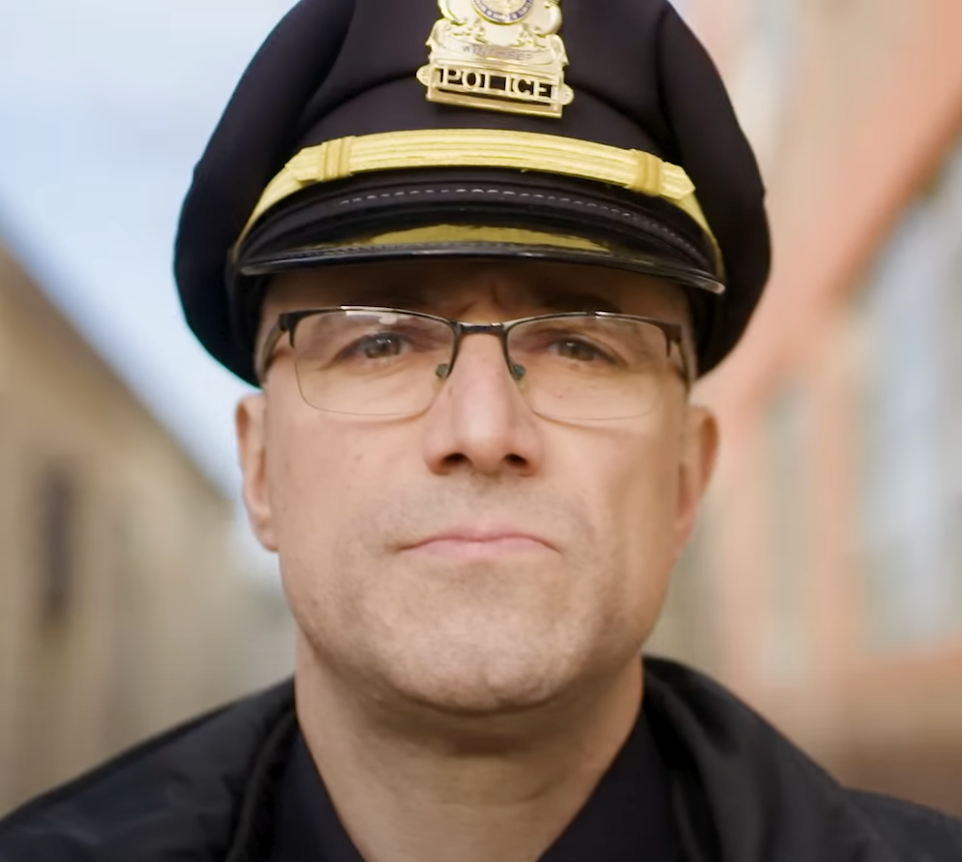
Lieutenant Sarko Gergerian is a law enforcement leader, mental health counselor, and national advocate for psychedelic decriminalization, harm reduction and first responder wellness. A Lieutenant in Massachusetts assigned to both public safety & health departments and co-founder of the award-winning CLEAR (Community & Law Enforcement Assisted Recovery) initiative, he bridges policing and public health through compassionate crisis intervention, proactive outreach, and multidisciplinary collaboration. Lieutenant Gergerian integrates clinical mental-health training with over 15 years of frontline police experience, advancing guardian-style policing and trauma-informed response models for psychedelic and mental-health crises. His work has been recognized by the International Association of Chiefs of Police (IACP) and featured nationally for pioneering the “police-to-public-health pipeline.” Dedicated to creating safer spaces for altered-state experiences, Lieutenant Gergerian serves as a subject matter expert on psychedelic crisis response, promoting ethical, evidence-based, and human-centered approaches to first responder and community wellness.
“We all enter, and exit altered states throughout the day, and when we meet those states, with ourselves or others, with compassion, we open the door to healing and connection. As our society reexamines psychedelics through decriminalization and renewed curiosity, it’s deeply meaningful to contribute to this work with Ohio State University to help shape safer, more informed 1st responses and more.”
-
Officer Hayli Hill is a law enforcement officer with over a decade of experience serving the community of Everett, Massachusetts. She holds a Master’s degree in Criminal Justice and has spent six years as a member of a Critical Incident Stress Management (CISM) team - an interdisciplinary group of trained volunteers and mental health professionals who provide crisis support to first responders following traumatic events. In addition to her law enforcement work, Officer Hill has pursued specialized training in understanding psychedelic crisis, trauma response, and community mental health. Her background bridges public safety and healing, emphasizing empathy, cultural awareness, and psychological resilience in moments of crisis.
“The P.E.A.C.E. program aligns deeply with my values — bridging safety, empathy, and accountability. Helping Ohio build this model feels like contributing to real change in how law enforcement understands and responds to people in psychedelic crisis.”
-
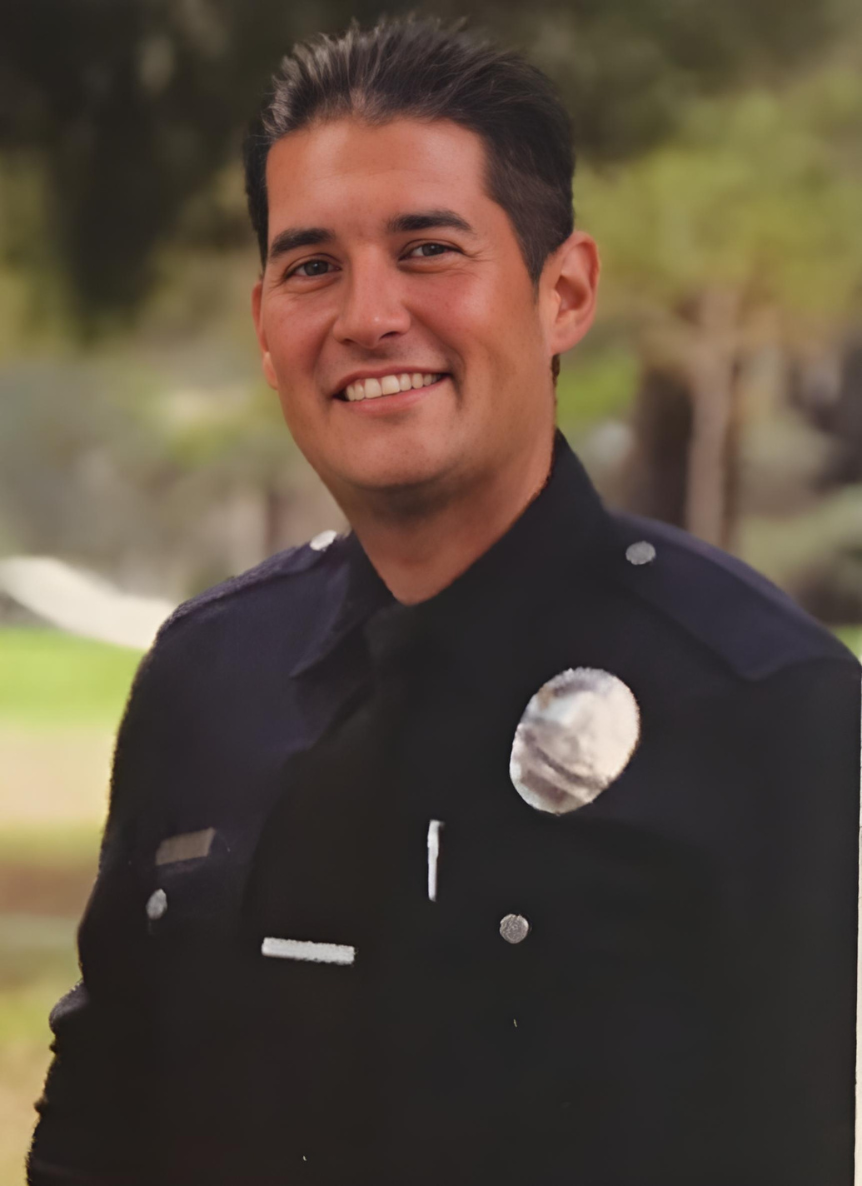
Officer (Ret.) Esteban Olivares brings over twenty-seven years of law enforcement experience; twenty years as a police officer in Los Angeles before retiring and then with the Kern High School District Police Department. He has worked assignments such as Patrol, Undercover Gang Task Force, Training Officer, Terrorism Liaison Officer, Senior Lead Officer, School Resource Officer, Training Manger, and Special Olympics Law Enforcement Torch Run Council member. Officer Olivares’ commitment to mental health began as a peer support officer with LAPD, where he recognized the need for updated mental health policy and resources for first responders. After undergoing Ketamine treatment for PTSD, he became passionate about supporting others on similar journeys.
Officer Olivares trained with Fireside Project and has been volunteering for two years, focused on the nuances of psychedelic-informed care and harm reduction. He has also attended training with F.I.V.E., PsiloHealth, and LAMPS to further his commitment to quality through continuous improvement.
“I aim to contribute my knowledge, training, and experience to the P.E.A.C.E. program with the hope of helping prevent injury or death to both first responders and the community that they serve. A key goal of mine is to help implement harm reduction strategies for first responders encountering users of psychedelics while emphasizing the importance of distinguishing between true emergencies and psychedelic processing - as understanding this difference is crucial for the safety and wellbeing of all parties involved.”
Law Enforcement Community Advisory Committee
The P.E.A.C.E. Law Enforcement Community Advisory Committee (LE CAC) has been instrumental to the implementation of the P.E.A.C.E. program - each member has offered insights into the needs, challenges, and best practices within the law enforcement community. With expertise and dedication, the LE CAC has helped to shape the direction and quality of psychedelic-informed law enforcement in Ohio.
Daniel P. Meloy, MPA
Daniel Meloy has dedicated more than 33 years to public service, beginning with service in the U.S. Army, followed by a distinguished career in law enforcement and local government. His roles have included police officer, chief of police, director of public safety, and Administrator/CEO for Colerain Township, Ohio. Following retirement, he continued his commitment to community well-being as a member of the Hamilton County, Ohio Board of Health, where he currently serves as Board President. Daniel is a graduate of the FBI National Academy (223rd Session), holds a Bachelor of Arts from the University of Cincinnati, and earned a Master’s degree in Public Administration from Northern Kentucky University.
Since retiring from government service, Daniel has focused on advancing collaborative public safety and community response initiatives. He founded QRT National, which partnered nationally with communities to support deflection and outreach strategies, and became part of Cordata Healthcare Innovations in 2024. He now serves as Executive Director for Community Engagement at Cordata and is the founding president of the Ohio Deflection Association.
Teresa Russell, MBA
Teresa Russell serves as the Director of Criminal Justice and Outreach Services for the Montgomery County Sheriff's Office (MCSO) in Dayton, Ohio. With 20+ years of experience in community behavioral health and criminal justice, Teresa has successfully implemented several innovative programs and serves as both advisory board member and roundtable representative for most criminal justice workgroups and taskforces within Montgomery County and around the State of Ohio. Teresa currently oversees jail-based services, crisis intervention programming and collaboration efforts between the Sheriff’s Office, criminal justice stakeholders and community. Teresa received a Bachelor's Degree in Psychology from Wright State University and a Master's Degree in Business Administration from Tiffin University.
This training, and all original content contained herein, including digital and printed materials, curriculum content, slide decks, recorded lectures, training manuals, and any associated names, slogans, and logos related to the Psychedelic Emergency, Acute, and Continuing Care (P.E.A.C.E.) training (“P.E.A.C.E.”), are protected by United States copyright and trademark laws and may not be used, reproduced, distributed, modified, or displayed without express written permission from the program administrators.
Any communication made through this website or in connection with P.E.A.C.E. programming, including communications related to health, clinical care, or professional practice, is not confidential and does not create a provider–patient, therapist–client, supervisory, or consultation relationship.
All content and educational materials provided through P.E.A.C.E. are for educational and professional development purposes only. They are not intended to replace independent clinical judgment, agency protocols, medical advice, diagnosis, or treatment. Participants remain solely responsible for their professional decisions, actions, and compliance with applicable laws, regulations, licensure standards, and institutional policies.
P.E.A.C.E. does not encourage, promote, solicit, facilitate, or condone illegal activity, including the possession, procurement, distribution, or use of controlled substances. Educational discussion of substances or related clinical presentations is provided for harm-reduction, public health, and emergency response training purposes only.
By accessing or participating in P.E.A.C.E. programming, you acknowledge that you are responsible for your own professional conduct and decision-making, and you agree to release, indemnify, and hold harmless P.E.A.C.E., its sponsoring institutions, faculty, affiliates, and agents from any and all claims, liabilities, or damages arising from your use of the materials or participation in the training.