
The CPDRE Team
-
Alan K. Davis
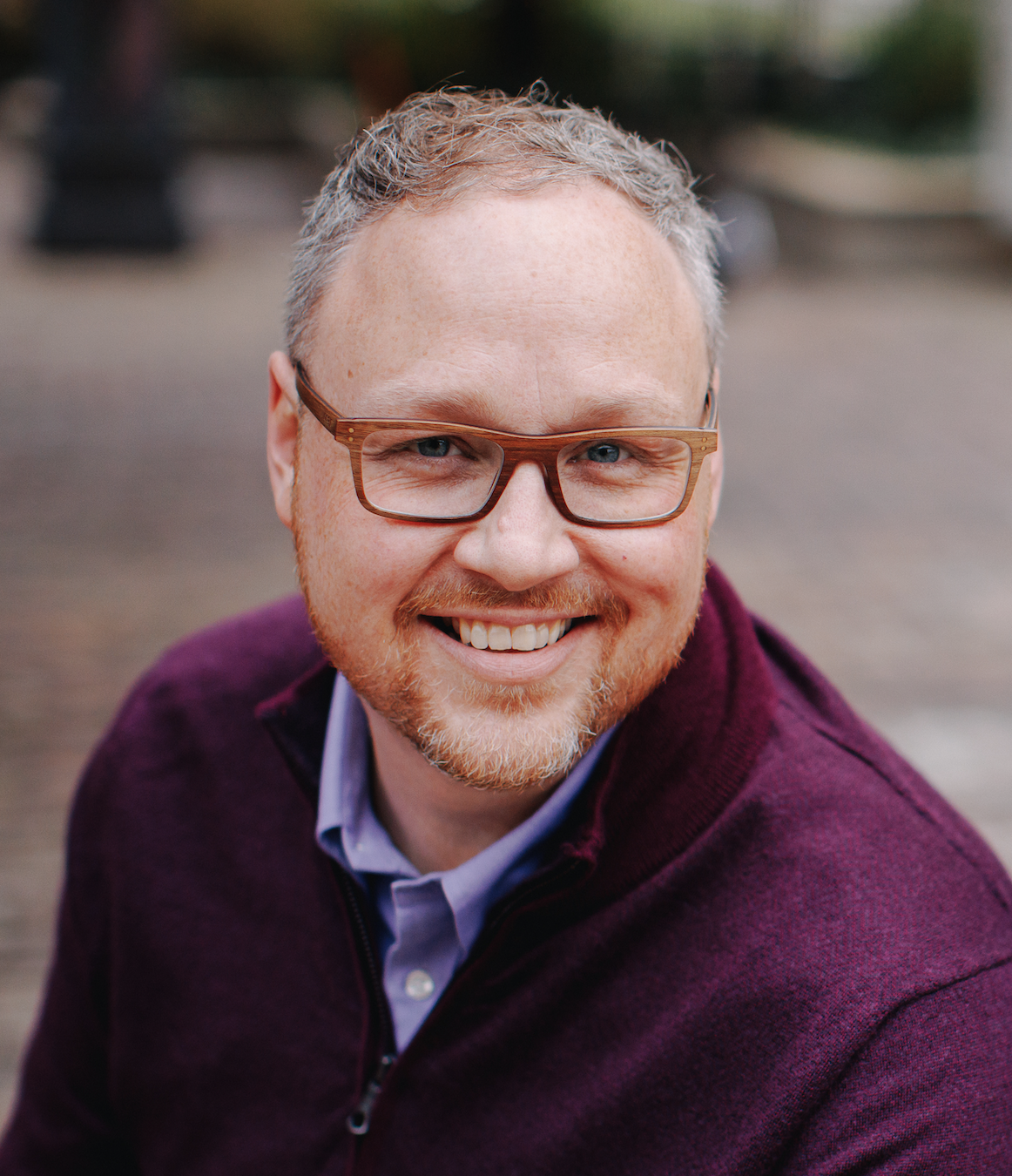
Dr. Alan K. Davis is a Clinical Psychologist and the Director of the Center for Psychedelic Drug Research and Education and Associate Professor of Social Work, Psychology, and Internal Medicine at the Ohio State University. Their research explores the safety and efficacy of psychedelic-assisted therapies for people with addiction and mental illness.
Alan has published over 120 scientific articles and book chapters and presented research at dozens of national and international scientific conferences on the topic of psychedelic therapy and clinical trials.
Their work spans seminal clinical trials of psychedelic therapy for people with mental health disorders, including depressed people, Veterans with PTSD, and lung cancer patients. Alan completed seminal work on the epidemiology and clinical effectiveness of 5-MeO-DMT use. They further innovate via a focus on the use of psychedelics among vulnerable population in order to make psychedelic research more accessible.
Alan has also launched education initiatives that span broad workforce development initiatives, multi-day clinical training workshops, online certificate programs for communities and students, and field/practicum training for trainees in behavioral health disciplines.
-
Stacey B. Armstrong
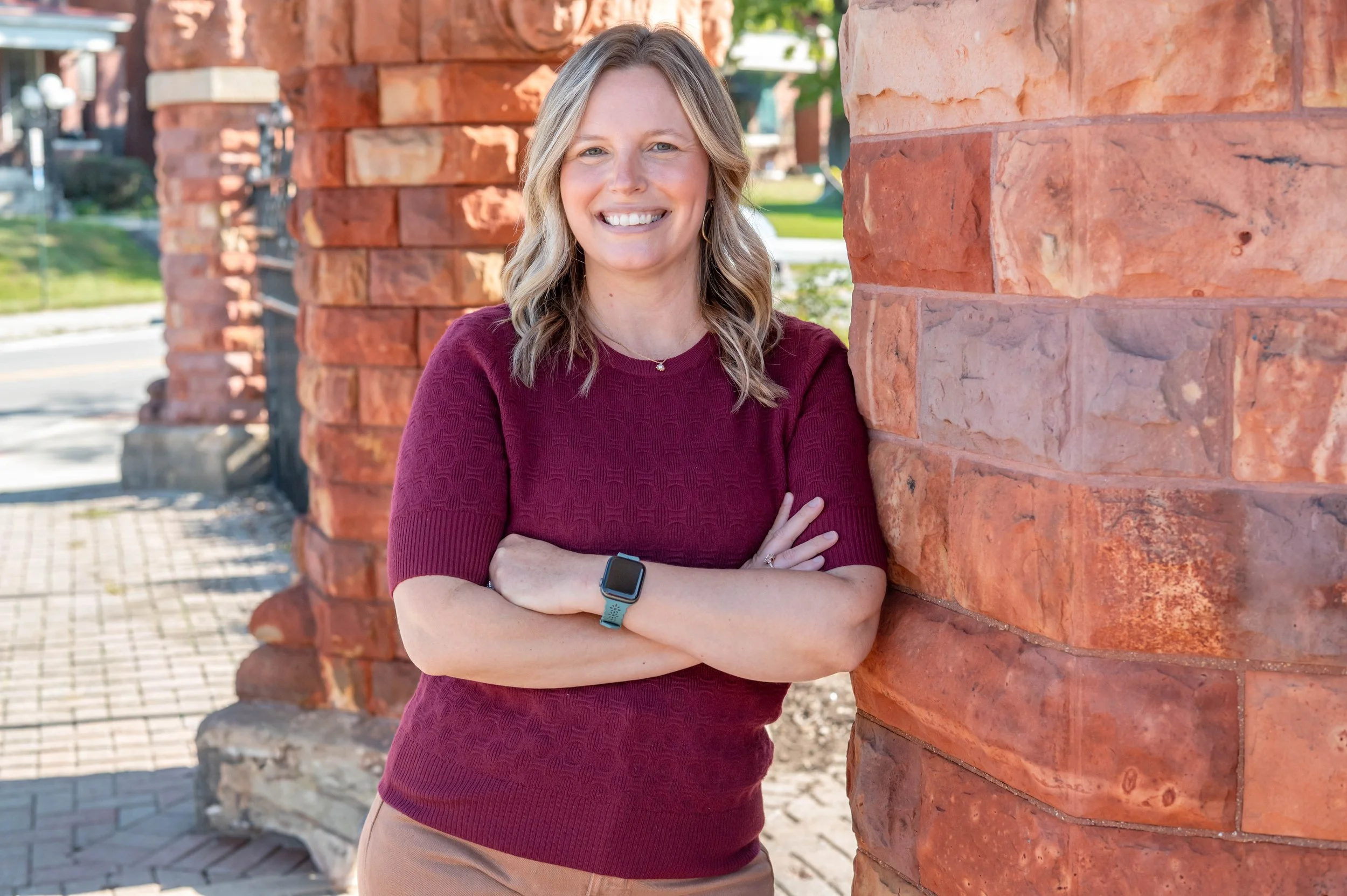
Stacey B. Armstrong, PhD, is the Associate Director and a Senior Researcher at the Center for Psychedelic Drug Research and Education (CPDRE) at The Ohio State University. She is a clinical psychologist with advanced training in the treatment of posttraumatic stress disorder (PTSD) and earned her PhD in psychology from Bowling Green State University, followed by a clinical internship at the University of Michigan.
Dr. Armstrong’s research focuses on the safety, effects, and therapeutic potential of psychedelic‑assisted therapies within rigorously regulated clinical settings. She has contributed to studies examining psilocybin for treatment‑resistant PTSD in U.S. military veterans and for depression in individuals with serious medical illness.
A central interest of her work is the ethical and developmentally informed exploration of how psychedelic‑assisted therapies might one day be responsibly extended to adolescents with severe, treatment‑resistant mental health conditions, with a strong emphasis on safety, wellbeing, and ethical safeguards.
-
Adam Levin
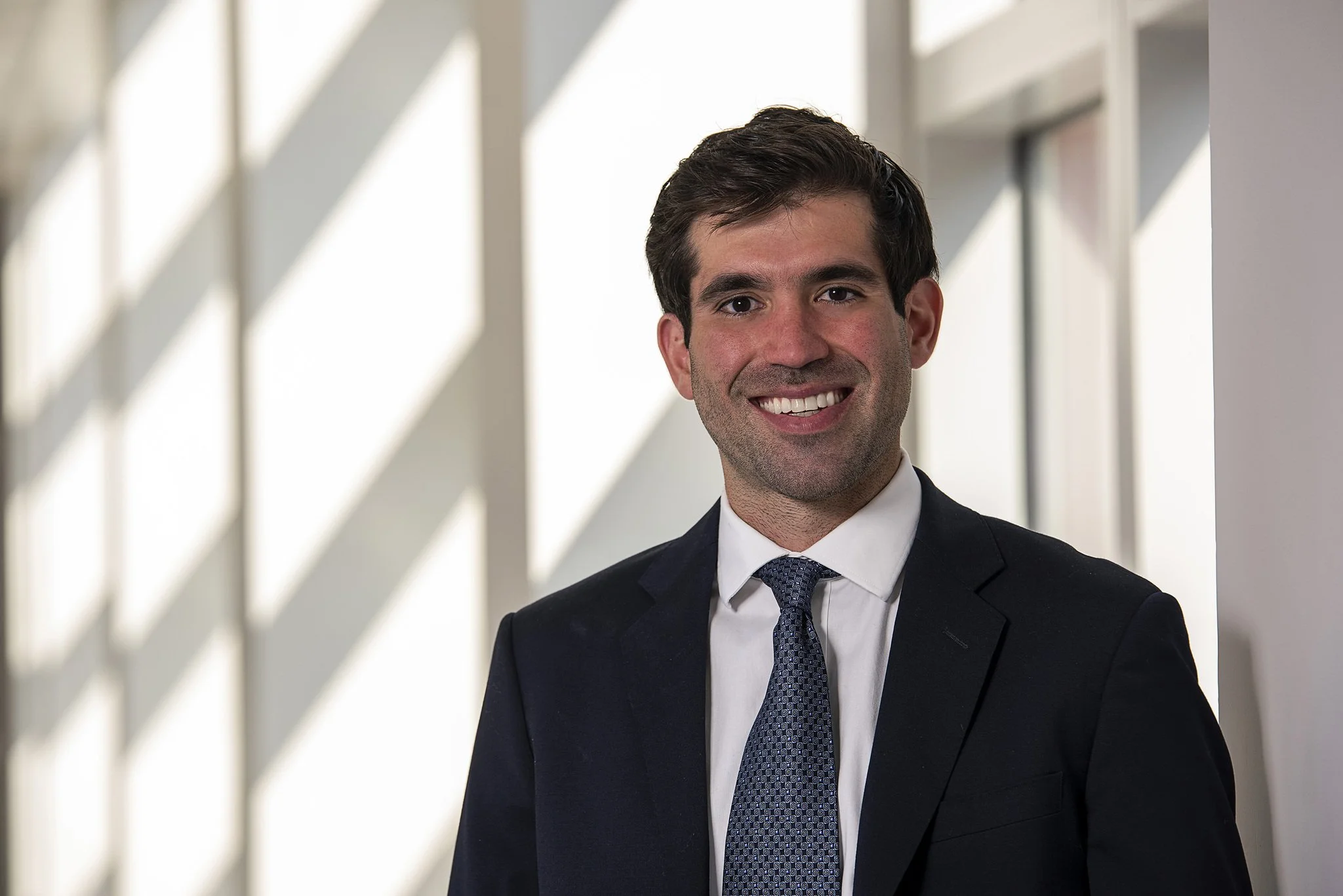
Adam Levin, MD is a psychiatrist and post-doctoral scholar at the Center for Psychedelic Drug Research and Education (CPDRE). He completed his psychiatry residency at the Ohio State University and received his MD from the Louisiana State University School of Medicine in New Orleans.
At the CPDRE, Adam acts as medical monitor and therapist for clinical trials of psilocybin in veterans with PTSD and in cancer patients with depression. His general research interests include the use of psychedelics for individual and collective trauma, the neurobiological underpinnings of psychedelic action, and the broader implications of psychedelic medicine for medical education and practice.
Adam recently published a new theory of psychedelic action (called HEALS) which attempts to unify the common effects of psychedelics through the lens of their differential effects on the brain’s hemispheres.
-
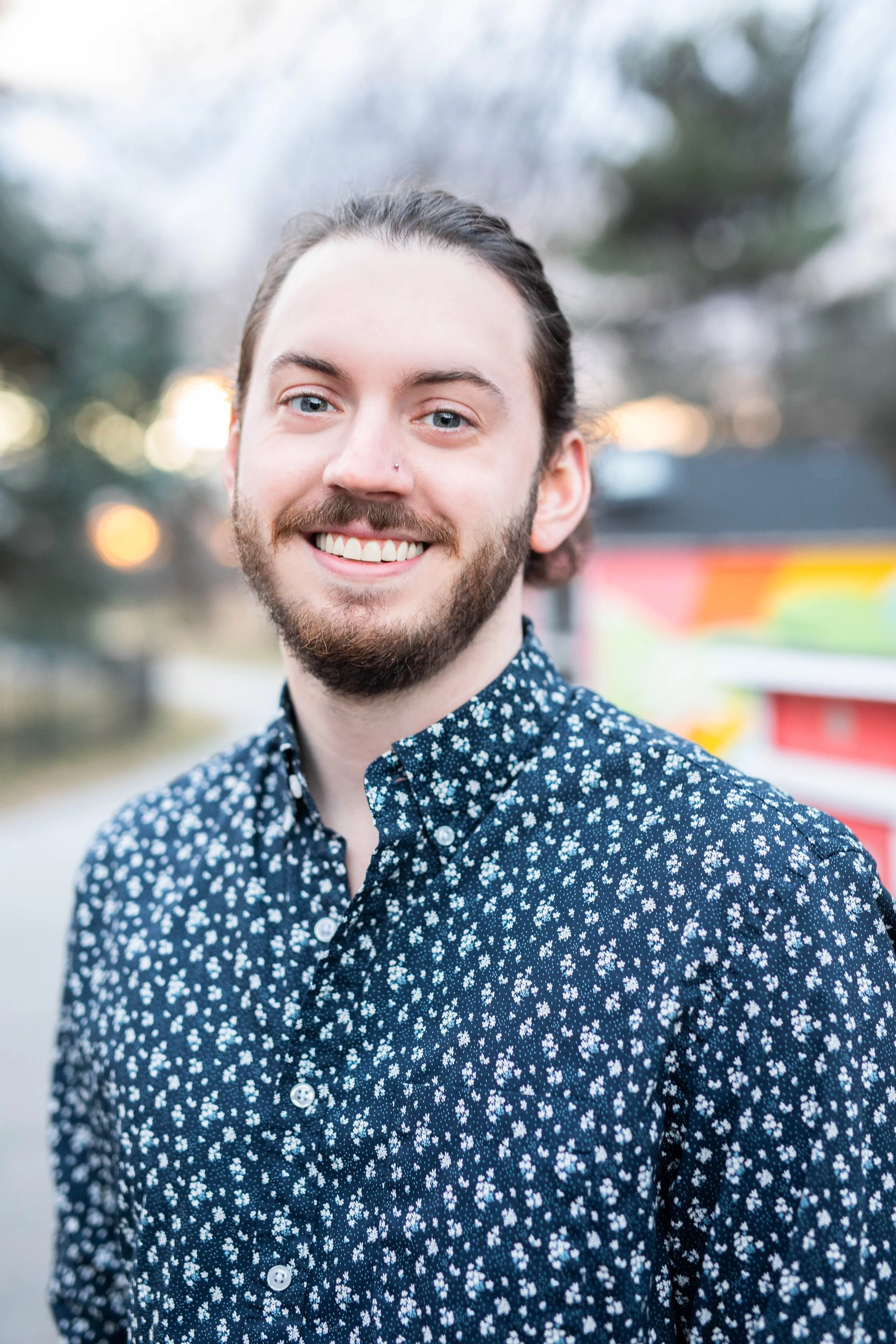
Nathan Sepeda
Nathan leads data management efforts at the CPDRE as the Manager of Data and Analytics. He is responsible for designing the center's data infrastructure and developing automated pipelines to analyze and harmonize data across a variety of psychedelic studies. Nathan has played a pivotal role in managing data for several clinical trials involving psychedelic substances, including the first randomized controlled trial investigating psilocybin's effects on major depressive disorder, as well as studies examining its impact on brain functioning, cognition, and well-being.
Beyond his work with psilocybin, he has conducted research on other psychedelic compounds such as 5-MeO-DMT, ibogaine, salvinorin-A, and ketamine. Nathan also serves as the Director of Data & Analytics at the Johns Hopkins Center for Psychedelic and Consciousness Research (CPCR), where he continues to advance the field through innovative data practices..
-
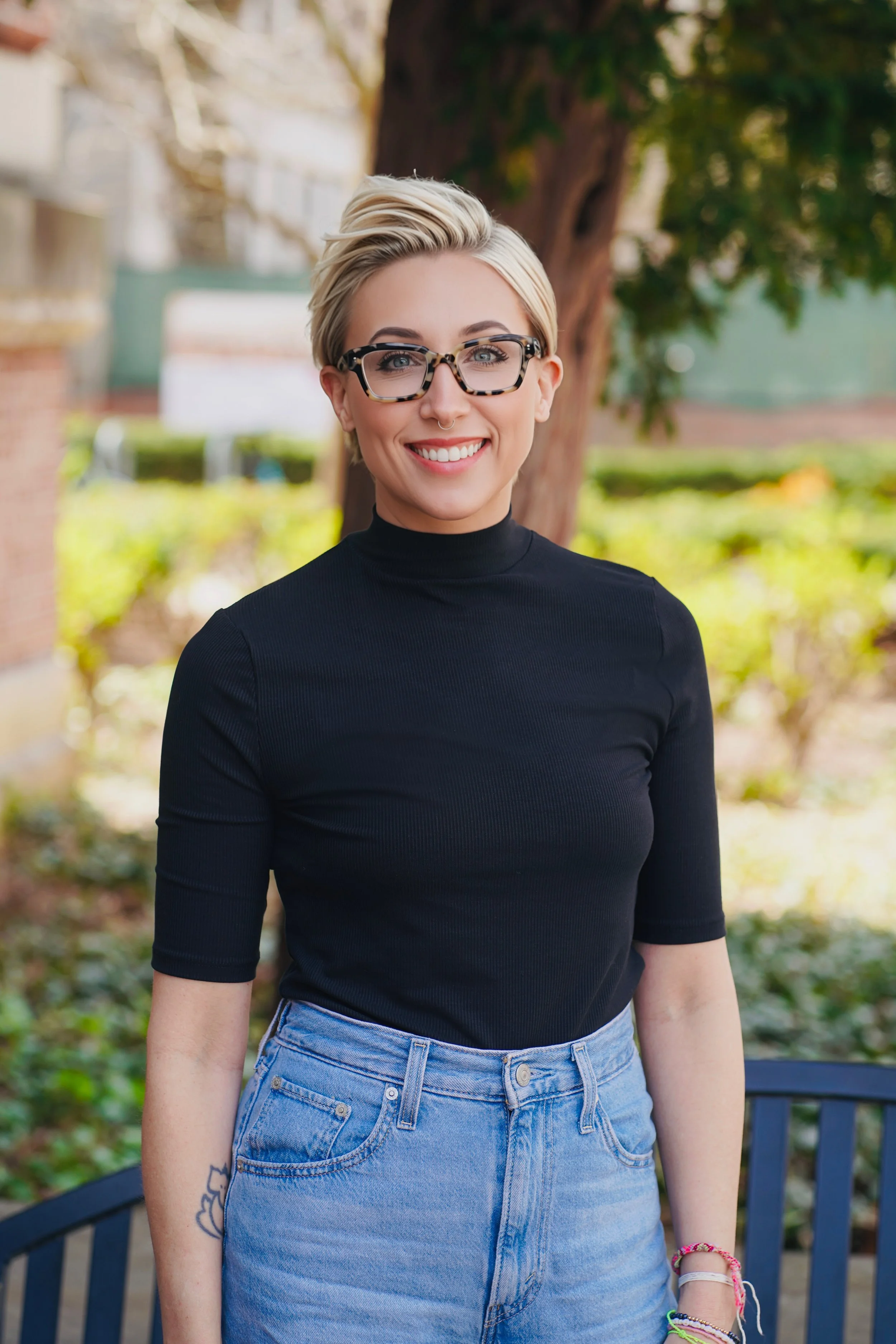
Hillary Shaub
Hillary Shaub is a licensed independent social worker (LISW) with a supervision designation actively involved in providing clinical services, including psychedelic-assisted therapy, for clinical trials aimed at transforming mental health care through innovative treatments. She is also a graduate of OSU's College of Social Work, holding a bachelor's and a master's degree in social work. Throughout her career, Hillary has worked in various clinical settings, including private practice, correctional facilities, crisis intervention services, acute care hospitals, and hospice care. With over 15 years of clinical expertise, she is a passionate and experienced mental health professional.
Hillary is dedicated to reducing stigma and improving access to mental health and substance use treatments, particularly for vulnerable populations. Her practice is grounded in an ecological perspective, integrating diverse therapeutic modalities and fostering collaboration to help individuals navigate personal challenges while addressing broader societal barriers and systemic injustices.
Through her involvement in research, Hillary is interested in exploring how the use of harm-reduction strategies impacts the psychedelic experiences among users in controlled and uncontrolled settings. She is committed to advancing the field of psychedelics by developing safe, effective, and accessible therapies that can benefit a wide range of individuals.
-
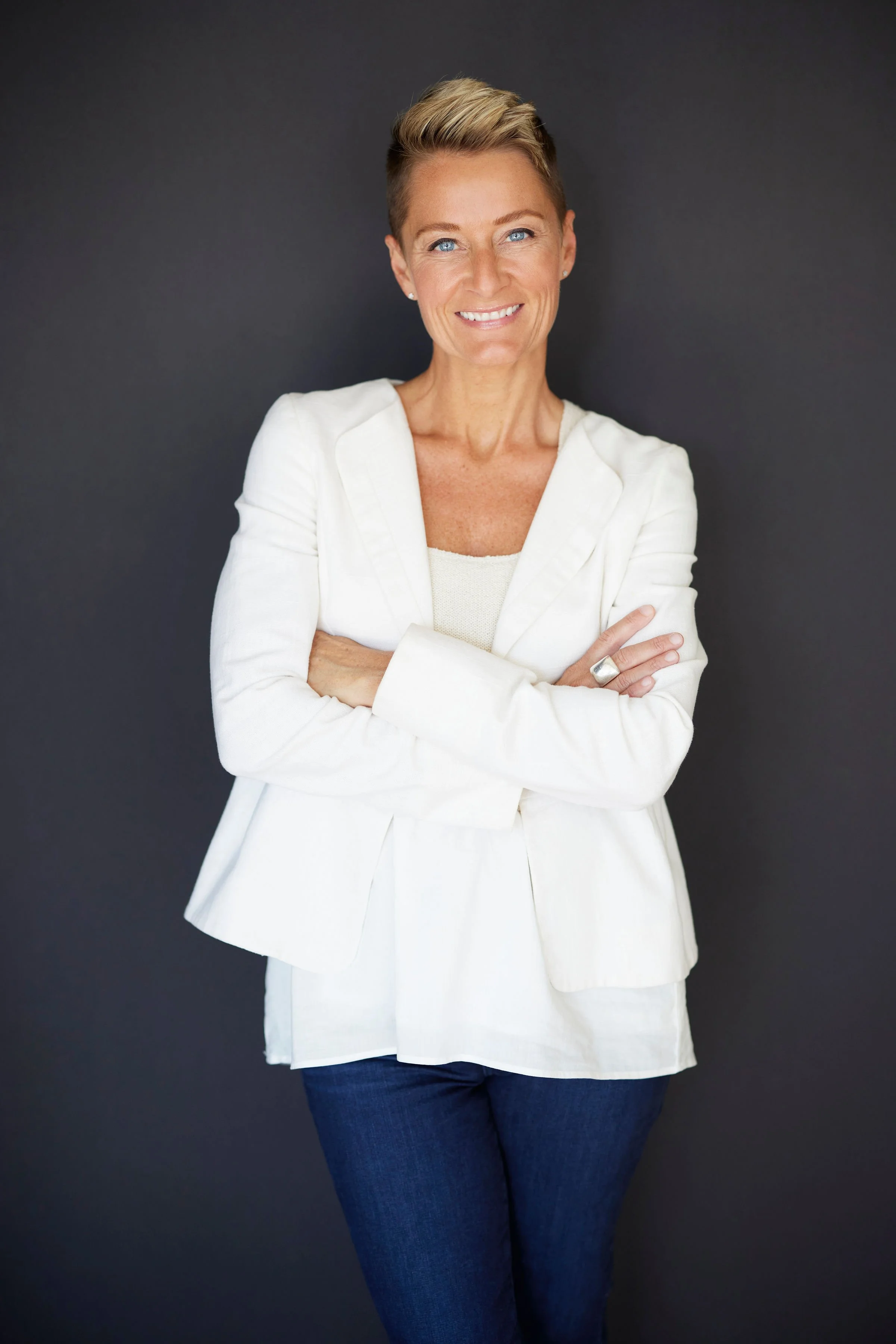
Angela Douglas
Angela joined the CPDRE as a Clinical Research Coordinator after working in the non-profit sector for many years. A former US Army Intelligence Officer, Angela completed her undergraduate degree in Political Science from John Carroll University, a M.A. in International Relations from the University of Southern Mississippi and recently earned a Master of Public Health (MPH) at The Ohio State University. Angela enjoys reading, running and the study and practice of Buddhism and Zen meditation.
-
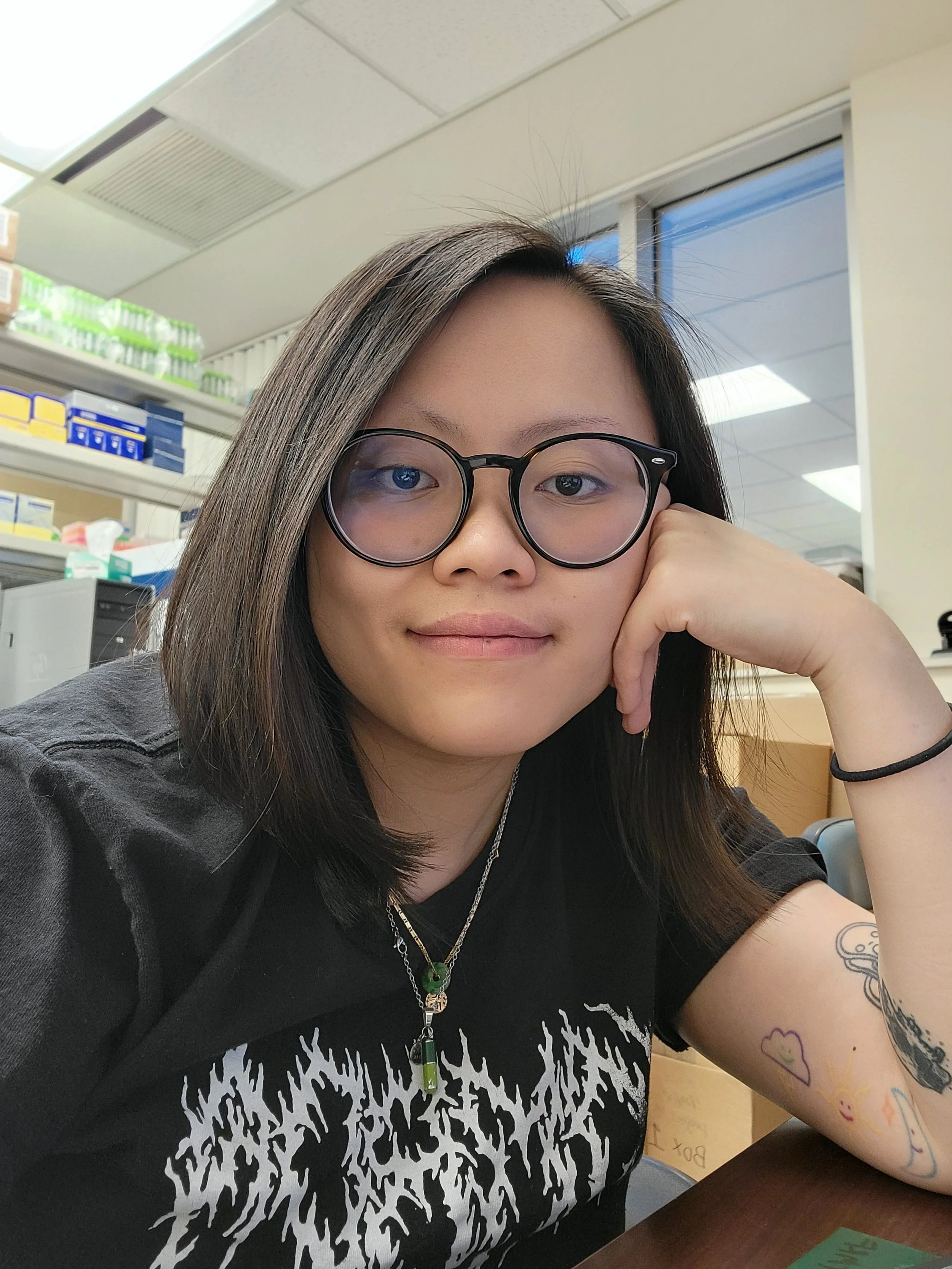
Michelle Pham
Michelle Pham, MS is a clinical research coordinator at the CPDRE. She has held a true love for studying pharmacology ever since she was young with an emphasis on psychoactive substances, and this guided her journey in becoming passionate about psychedelics as a potential therapeutic. She graduated from The Ohio State University with a Bachelor’s in Biochemistry with minors in Music, Pharmaceutical Sciences, and Substance Misuse and Addiction.
Michelle joined the CPDRE shortly after completing her Master’s in Translational Pharmacology with a specialization in Clinical Pharmacology and Clinical Trial Design where she wrote her graduate manuscript on serotonergic psychedelics as a potential preventative measure for Opioid Use Disorder (OUD) through improved management of chronic pain. Having been extensively and personally impacted by substance use disorders (SUDs), Michelle is driven by her devotion to improving upon the current states of addiction research, treatment, and prevention, especially in underserved and vulnerable populations.
As increasing data is published on how psychedelics may support SUD treatment, this has further steered and impassioned her research interests in this field. Outside of her main career, Michelle also works as a visual artist and enjoys spending her free time with her cat, Bourdain.
-
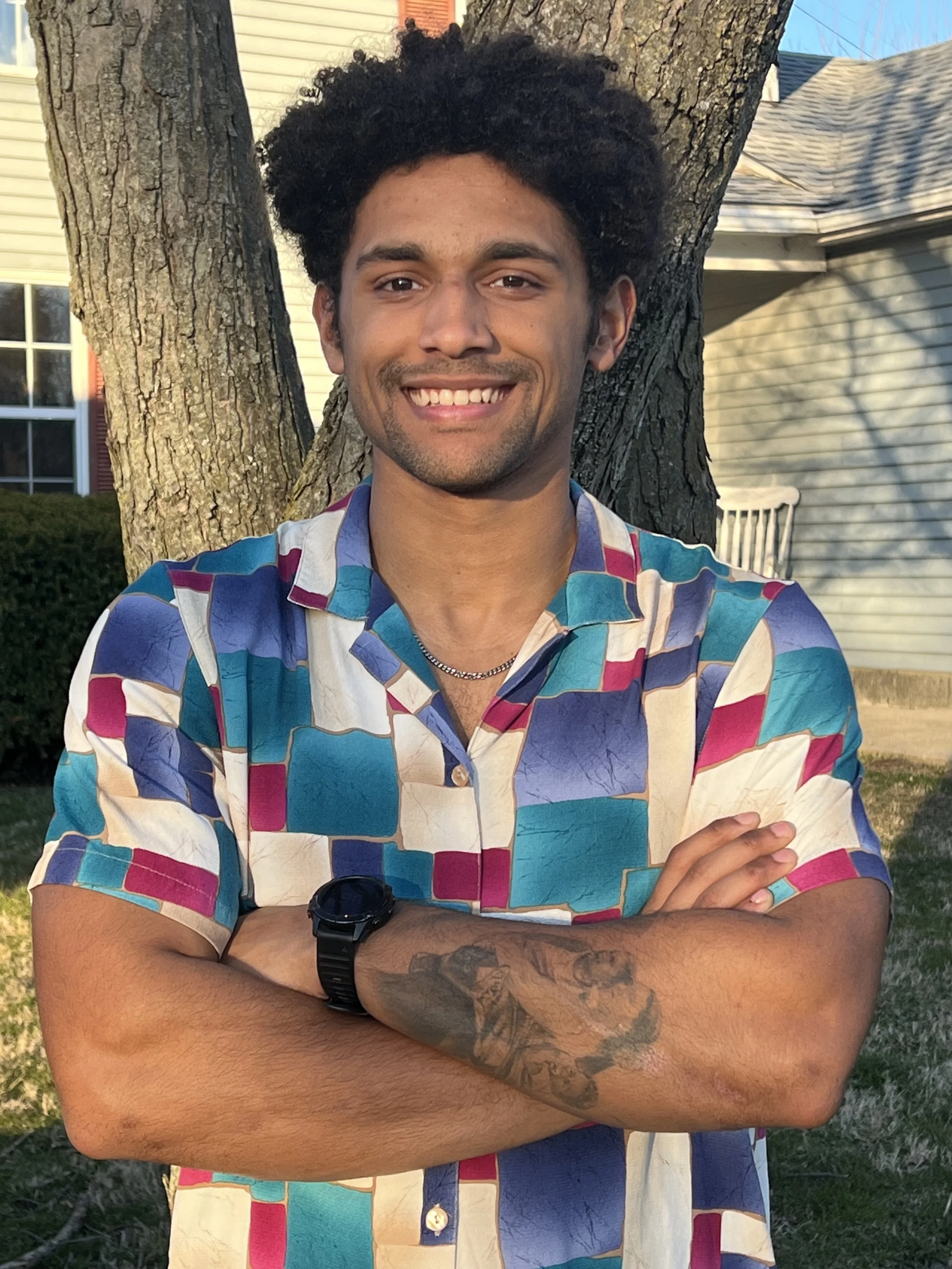
Taweh Hunter
Taweh Hunter is a research assistant for the CPDRE. He received his bachelor's degree in Cognitive and Computational Neuroscience at The Ohio State University. His passion lies in better comprehending the underlying neural mechanisms behind consciousness and the therapeutic benefits of psychedelic therapy. Taweh is currently applying to PhD programs in Clinical Psychology with a focus on consciousness and psychedelic research.
-
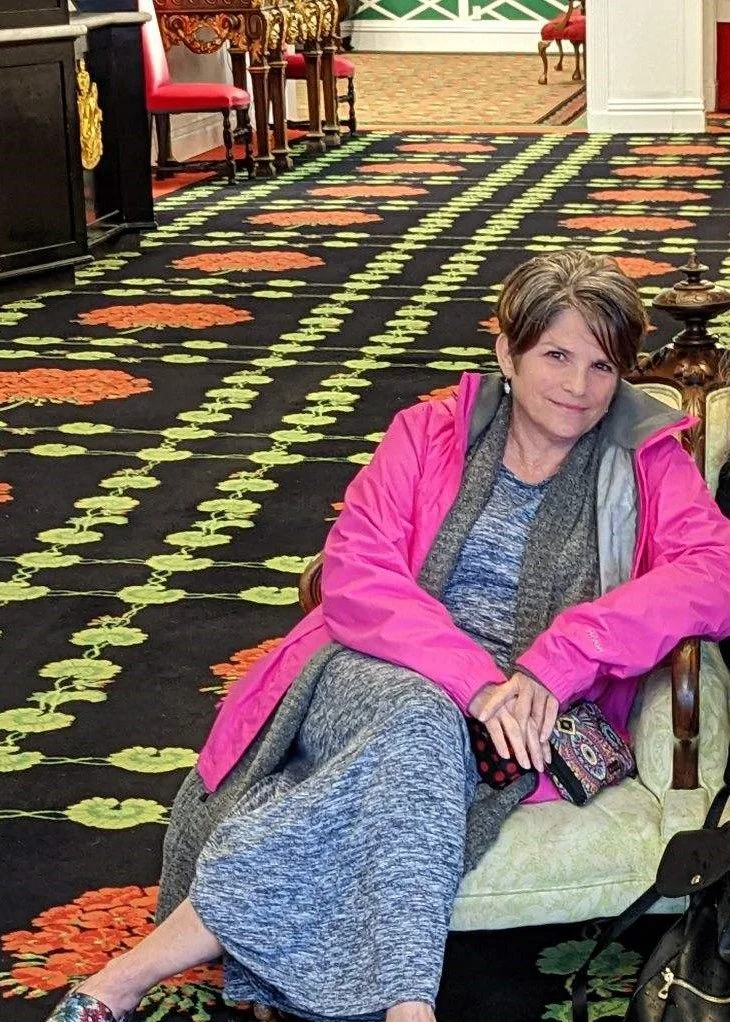
Tina Romanella
Tina is pursuing her Master of Social Work at The Ohio State University, where she also serves as Program Coordinator for the CPDRE. With over 20 years of leadership experience in the technology sector, including senior roles in customer success, professional services, and service delivery, Tina brings a unique blend of operational excellence, strategic insight, and human-centered leadership to her evolving path in social work and the exploration of psychedelics as a catalyst for transformation.
Her interest in psychedelic science and social work emerged from her experience as a suicide loss survivor. Motivated by this deeply personal journey, Tina holds an unwavering belief in the power of systems change to foster both personal and collective healing. She is committed to evidence-based practice, advocacy, and transdisciplinary collaboration to develop and support mental health interventions that aim to reduce suicide rates among adolescents and young adults.
Tina holds an MBA from Wake Forest University and a BBA in International Business from The University of Texas at Austin. She also graduated with honors from culinary school and spent several years in the restaurant industry before hanging up her chef’s coat to pursue her academic and professional ambitions.
-
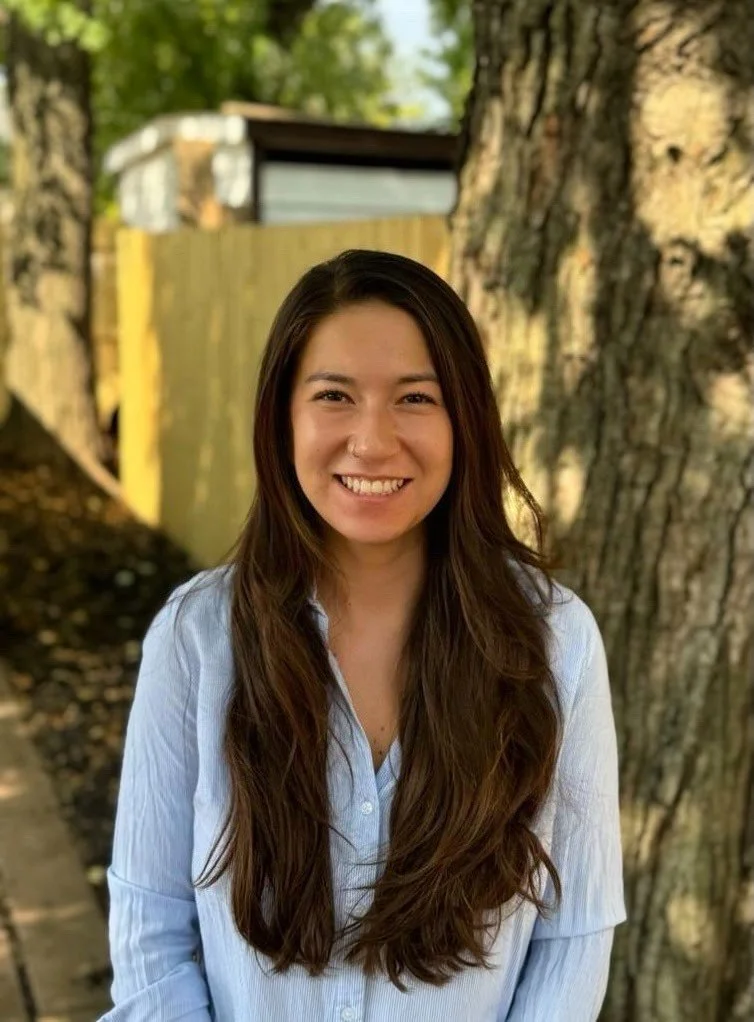
Sara Ellis
Sara is a Clinical Psychology PhD student at The Ohio State University. Prior to starting her PhD program, she worked for three years at the Exploratory Therapeutics Laboratory at Stanford University / Palo Alto VA, where she led studies on psilocybin for treatment-resistant depression and MDMA-assisted therapy for severe PTSD.
With over 9 years of research experience, she is passionate about contributing to emergent research on psychedelic-assisted therapies for mental health disorders. Specifically, she is interested in improving treatment outcomes of psychedelic-assisted therapies by examining their mechanisms of action, predictors of response, and considerations for implementation.
Sara graduated with a bachelor’s degree in psychology from the University of California, Berkeley, spending most of her free time over the last 10 years backpacking and hiking the Northern Californian mountains.
-
Ethan Kusiak
Ethan Kusiak is pursuing his PhD in Clinical Psychology from the Ohio State University’s Clinical Psychology Training Program. He graduated from the University of South Florida with his Bachelor's of Science in Behavioral Healthcare.
Ethan’s previous research focused on understanding motivations related to substance use and treatment as well as developing a family-based intervention for parents with an opioid use disorder. His primary research interest is in exploring the potential of psychedelic-assisted psychotherapy for the treatment of substance use disorders. In his free time, he enjoys snowboarding and bouldering.
-
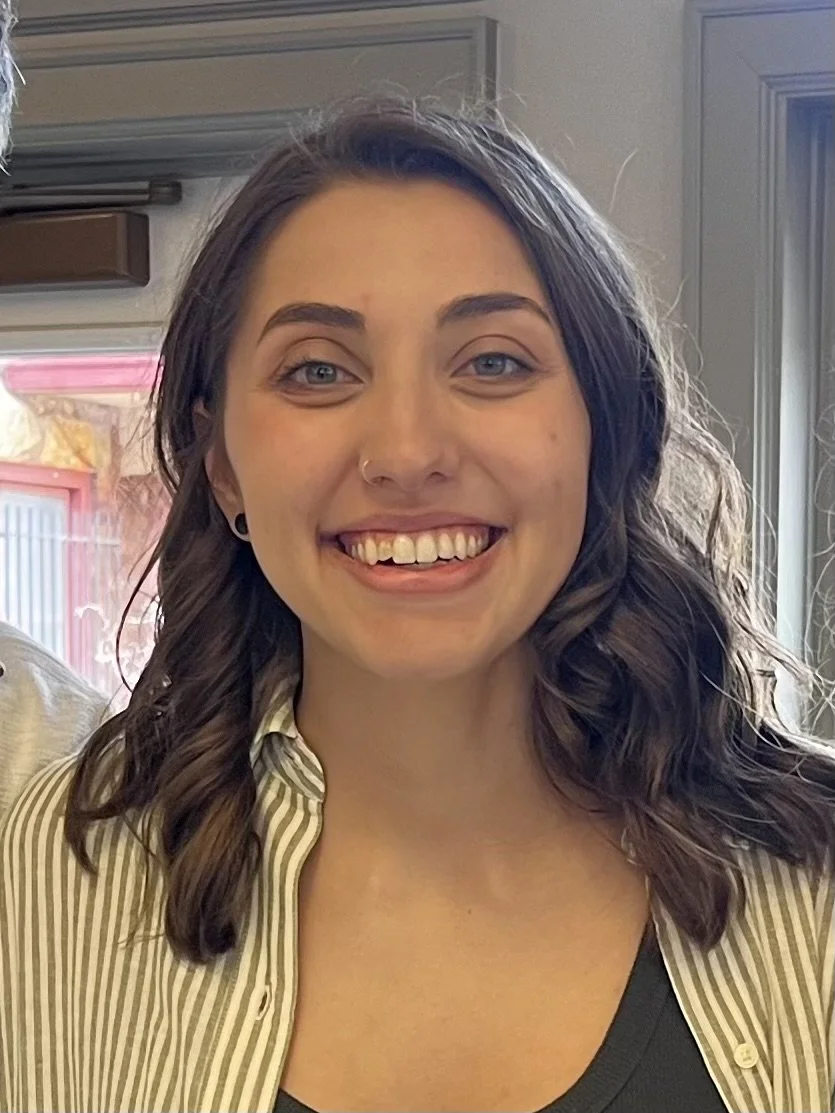
Ruth Sloan
Ruth is a current PhD student in Clinical Psychology at the Ohio State University. Her interest in psychedelic research began when while working as a research coordinator where she was given the opportunity to assist in the preparation of a psychedelic assisted therapy study.
Ruth is specifically interested in the potential role of psychedelics assisted therapy to address mental health concerns associated with cancer diagnosis and progression. She hopes to continue her involvement in research of psychedelic assisted therapies throughout her graduate studies an into her career.
-
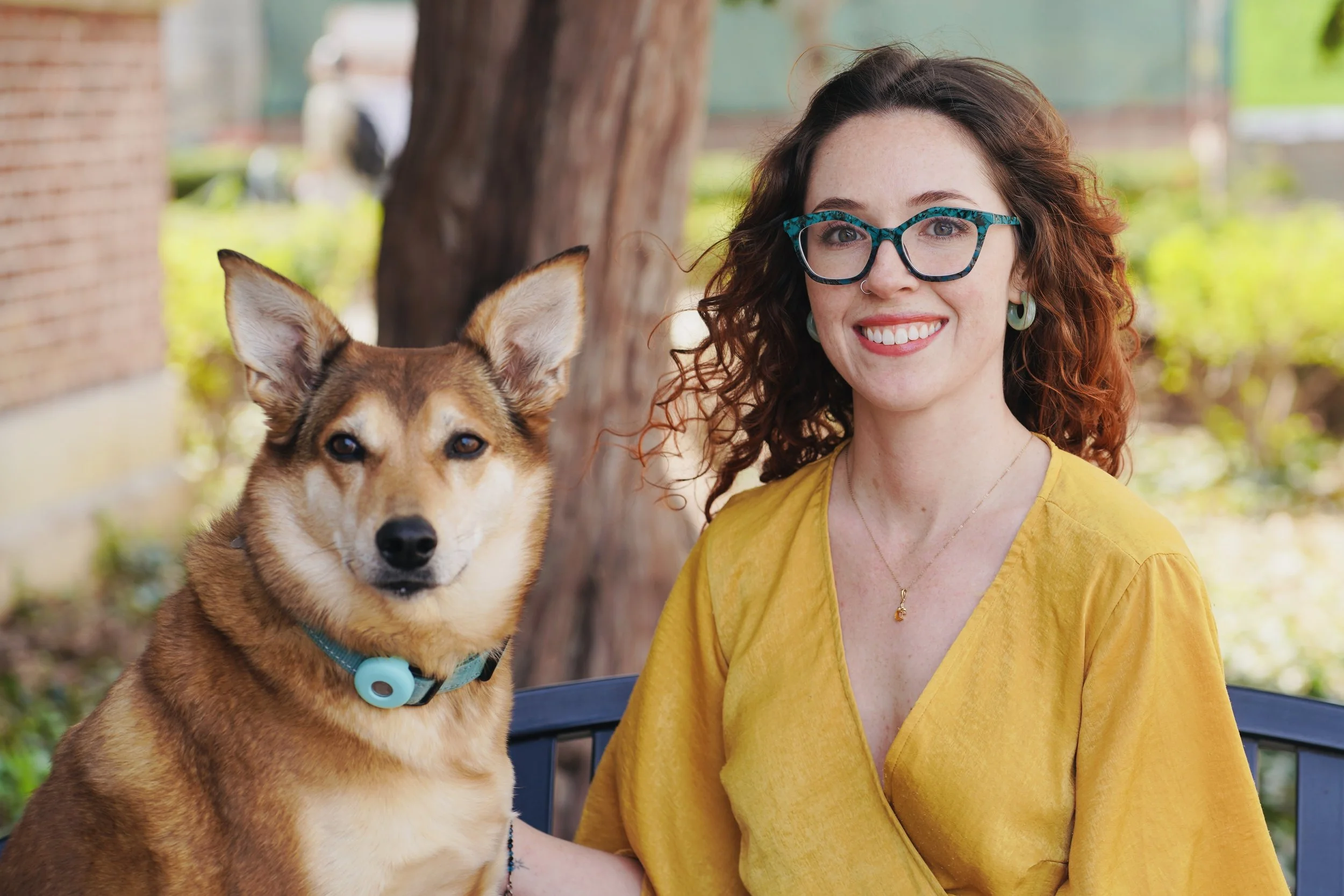
Taylor Flatt
Taylor Flatt, RN, PMHNP, is a PhD fellow in the OSU College of Nursing, where her research focus is on the experiences of children, parents, and families with psychedelics in various contexts. She graduated with her BSN from the University of Virginia and MSN from the University of Pennsylvania.
Taylor has worked as a nurse and psychiatric nurse practitioner in pediatric psychiatry since 2017 at Johns Hopkins and the Children’s Hospital of Philadelphia. She is a co-founder and Director of Community Engagement for the Penn Psychedelics Collaborative at the University of Pennsylvania. She is passionate about creative, transdisciplinary, intergenerational collaboration to broaden our understanding of science and society.
Taylor also enjoys photography, watercolor painting, playing the alto saxophone, and spending time outdoors with her dog, Rosie.
-
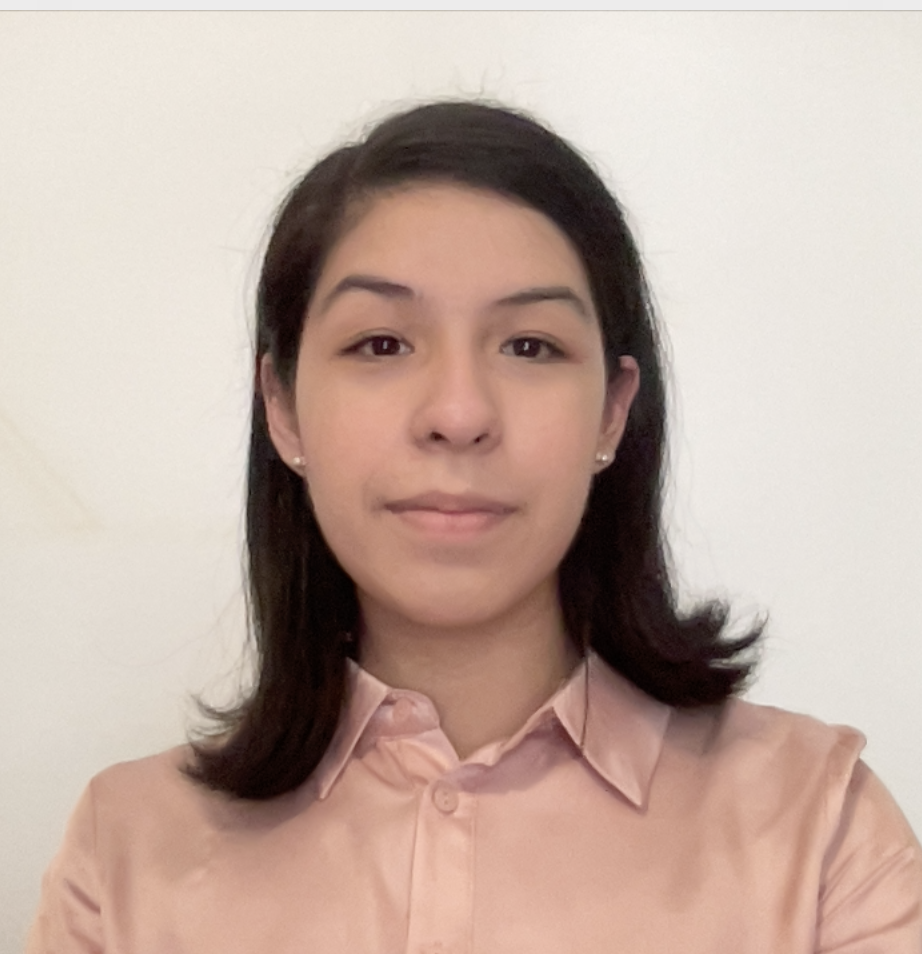
Maria Albrecht Andrade
Maria Albrecht is a third-year undergraduate student assistant at CPDRE. She is part of the Marketing and Communication team and is currently pursuing a bachelor’s degree with a double major in Communications and International Studies, with a minor in Italian.
Maria enjoys learning languages as she has dedicated her life to them - she knows six languages besides English, including Spanish, Italian, German, and French, among others.
During her free time, Maria enjoys listening to music, spending time with her loved ones, and playing sports. She’s currently a member of the Ohio State Swimming Club and was the women’s team captain of the Ohio State Crew last fall.
-
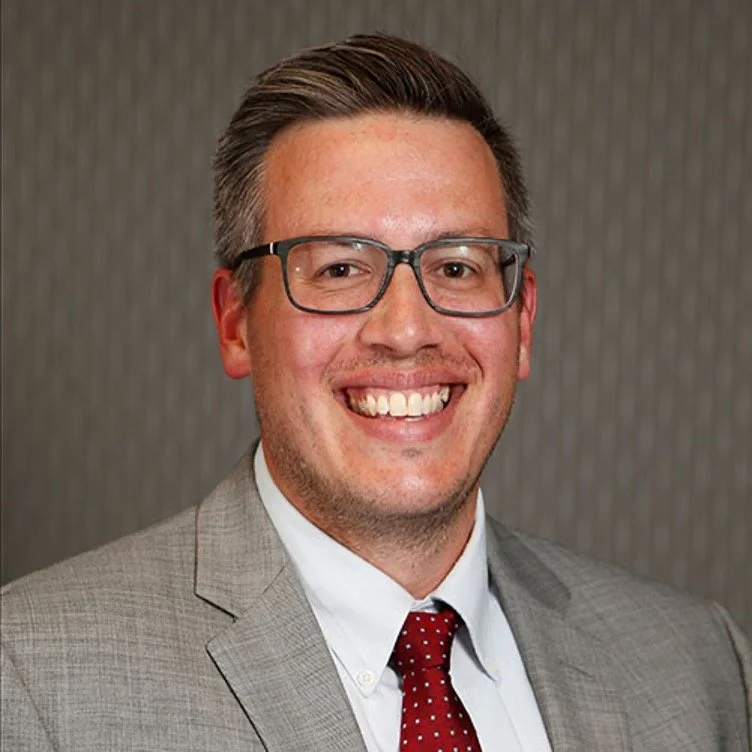
Theodore L. Wagener
Dr. Wagener is a Professor and the Leonard J. Immke, Jr. and Charlotte L. Immke Chair in Cancer Research in the Department of Internal Medicine at OSU, and the Founding Director of the Center for Tobacco Research and co-leader of the Cancer Control Program at The OSU Comprehensive Cancer Center. A clinical psychologist by training, his research program focuses on addiction, cancer prevention, and tobacco regulatory science, with a specialized focus on evaluating the behavioral, pharmacological, and toxicological effects of cigarette and non-cigarette tobacco products (e.g., e-cigarettes, hookah, oral nicotine products, heated tobacco products).
His work has been extramurally funded since 2012, serving as the principal investigator or co-investigator on more than 30 NIH- and FDA-funded grants. Dr. Wagener is also committed to mentoring and training the next generation of addiction and cancer prevention researchers. He has mentored/co-mentored numerous student-led projects as well as graduate students and postdoctoral fellows who have gone on to prestigious psychology residencies, fellowships, and academic faculty positions. He has served as the primary mentor on seven NIH training awards, as well as a co-mentor on more than 20 others.
-
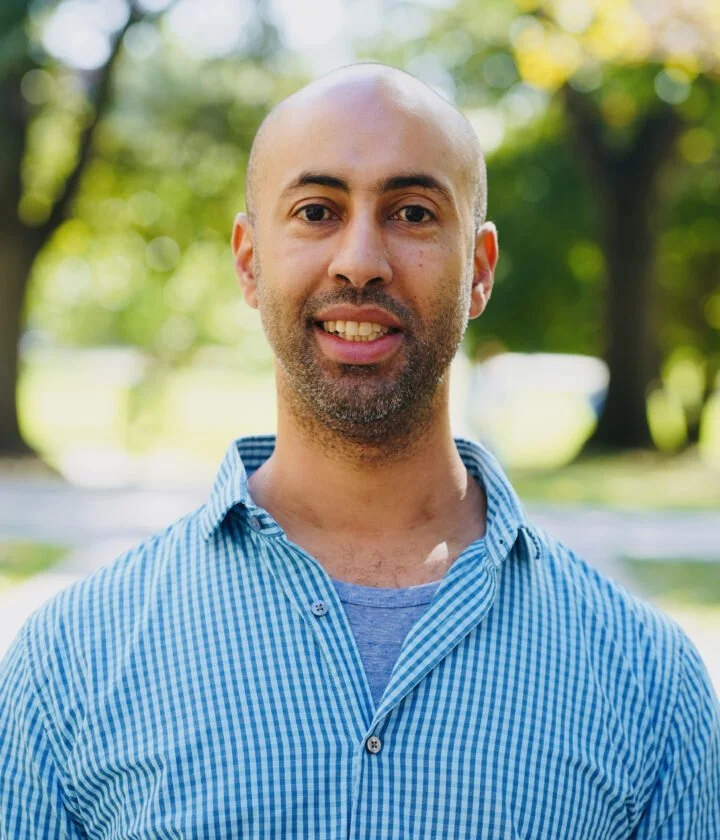
Michael Broman
Dr. Michael J. Broman is an Assistant Professor at The Ohio State University College of Social Work and a Faculty Affiliate of the Center for Psychedelic Drug Research & Education. His research is focused on systemic barriers and facilitators for substance use treatment and recovery, including policy that helps or hinders those processes. Dr. Broman’s dissertation research on college students in recovery supported a grant application to develop a collegiate recovery program at Wayne State University.
In addition to continuing his research on college students in recovery, Dr. Broman is teaming up with CPDRE to investigate how drug policy impacts the potential use of psilocybin, ketamine, and other substances in mental health treatment. Dr. Broman has published his research in multiple journals, including the Journal of Community Health, Substance Use & Misuse, Addiction Research & Theory, and the Journal of Child and Adolescent Substance Abuse. Before joining the OSU College of Social Work faculty, Dr. Borman earned his Ph.D. at the Wayne State University School of Social Work. His post-MSW practice experience was in the areas of substance use treatment for adults, and prevention for youth.
-

Yitong Xin
Dr. Xin is an Associate Professor in the College of Social Work at the University of Utah and earned her PhD in Social Work at The Ohio State University. Her overarching research areas focus on four themes: substance use, harm reduction, trauma, and resilience. Specifically, her research focuses on understanding the complex interactions among the risk factor of trauma and the protective factor of resilience, utilizing a harm-reduction treatment approach (e.g., psychedelic-assisted therapies, non-abstinent treatment goals) for people with substance misuse behaviors and mental health issues.
Yitong is a Licensed Social Worker and Eye Movement Desensitization and Reprocessing (EMDR) trained therapist in the state of Ohio. Yitong has practiced as a clinical social worker since 2016 in outpatient mental health settings.
-
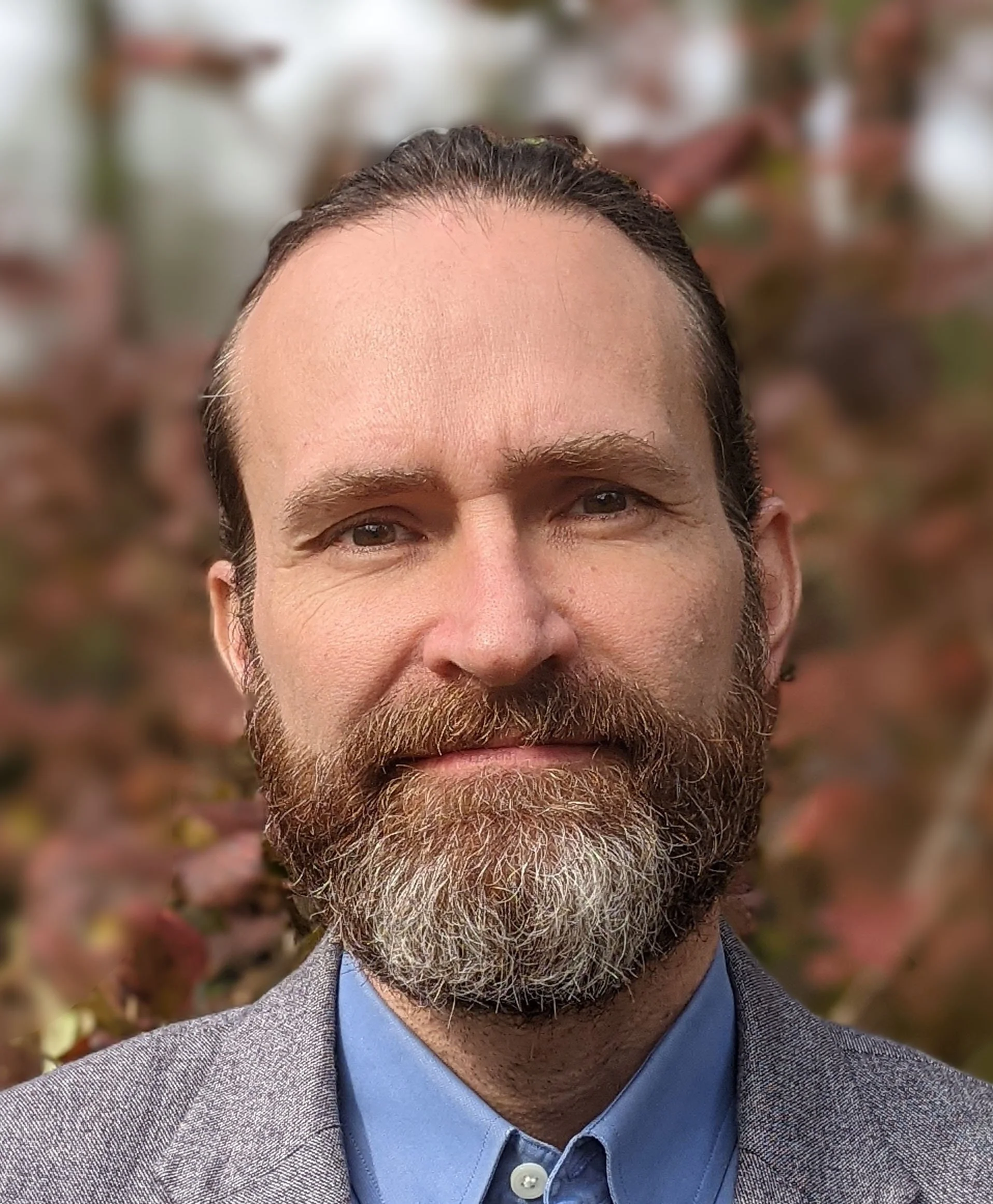
Jason C. Slot
Dr. Slot is a Fungal Biologist in the Department of Plant Pathology at the Ohio State University. Dr. Slot conducts basic research in fungal evolutionary ecology, including the ecology and evolutionary genomics of psychedelic mushrooms. His lab has been central to early discoveries in the genetics of psilocybin production.
Dr. Slot is author on over 60 scientific articles and book chapters in the areas of mycology, genome evolution, and natural product research. As a formally trained science educator, he has developed courses, workshops, and curricula on the secondary, college, and graduate levels, including an interdisciplinary undergraduate Mycology Minor, and he contributes an ecological perspective to our core Psychedelic Studies courses.
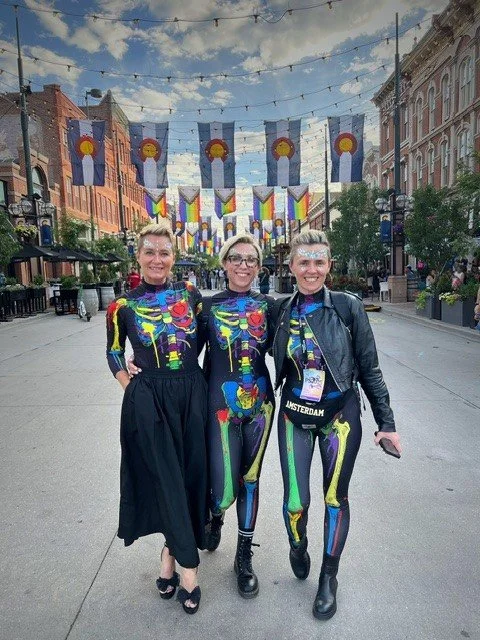
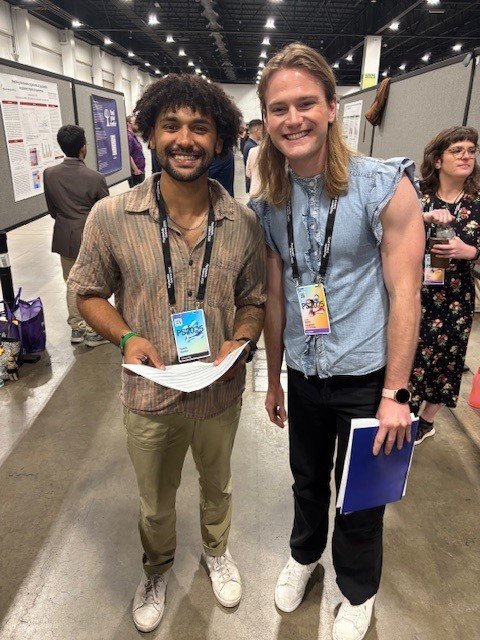
Psychedelic Science 2025
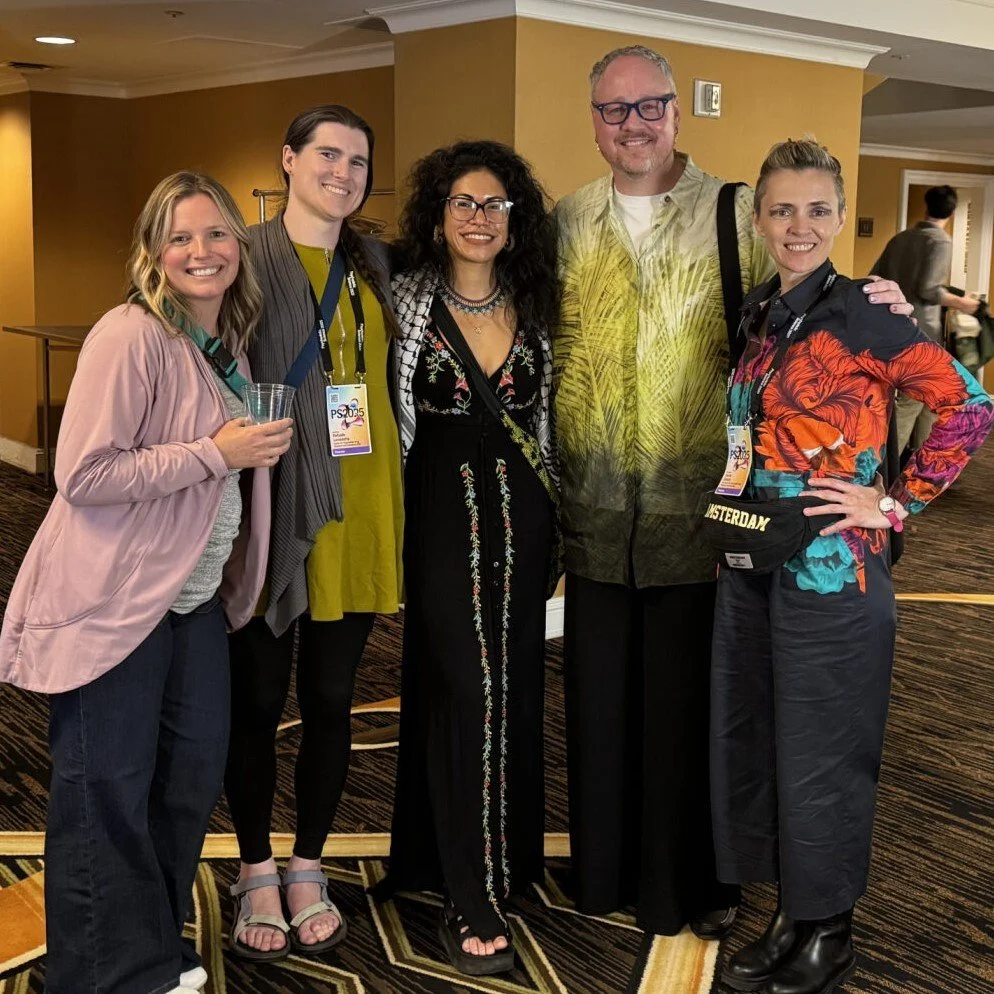
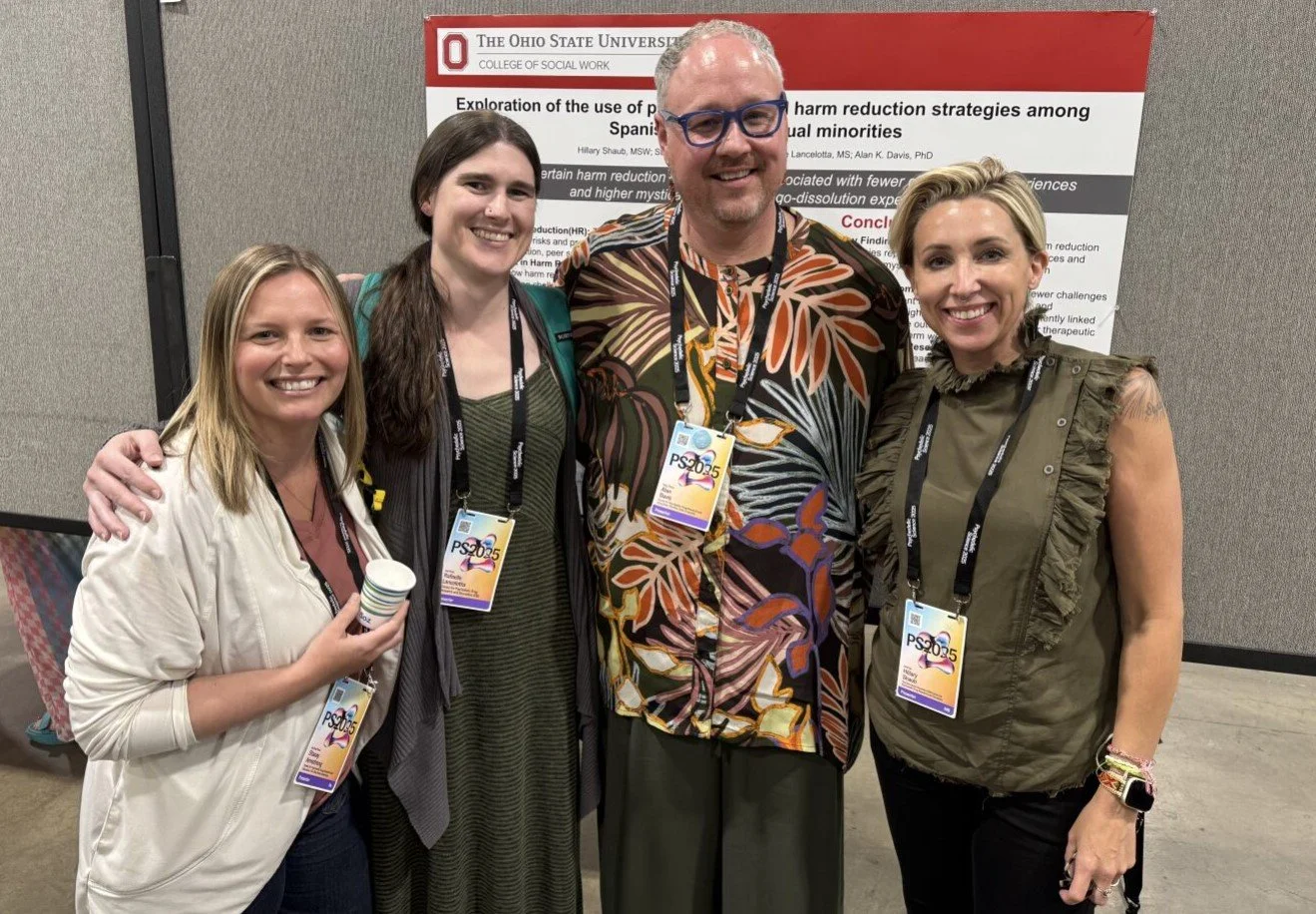
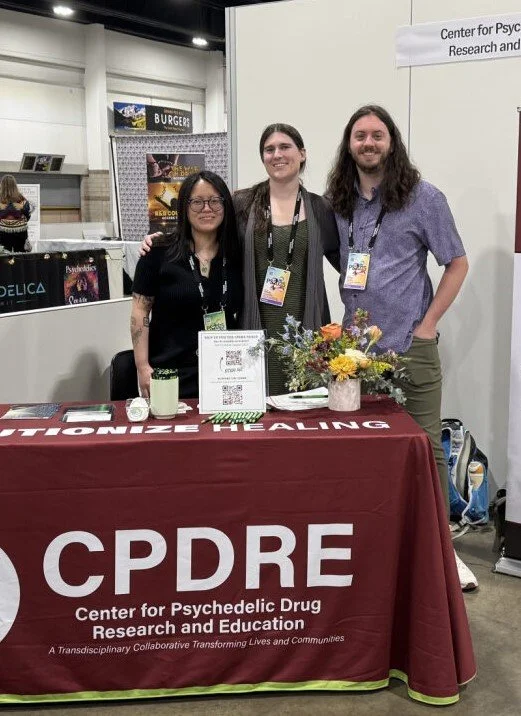

The strength of the CPDRE lies in its people. Each team member brings unique talents, perspectives, and passions that come together to form the heart and spirit of our center.