Psychedelic Emergency, Acute, and Continuing care Education (P.E.A.C.E.)
Training for Emergency Medical Services & Emergency Department Professionals
The P.E.A.C.E. Program’s Training for Emergency Medical Services and Emergency Department (EMED) Professionals is designed to equip professionals and community responders with the knowledge, attitudes, and skills necessary to effectively recognize and respond to psychedelic-related crises. Participants will learn evidence-informed approaches to improve crisis outcomes, enhance patient and provider safety, and deliver compassionate, trauma-informed medical care during acute presentations.
Through a trauma-informed and collaborative framework, the training explores strategies to reduce the risk of escalation, strengthen coordination with behavioral health and law enforcement partners, and minimize liability for emergency medical professionals and healthcare institutions.
Training Overview
Training Structure
Module 1: Psychedelic Crisis Assessment and Intervention
Lesson 1: Fundamentals of Psychedelics
Lesson 2: Recognizing Psychedelic Crisis
Lesson 3: Responding to Psychedelic Crisis
Lesson 4: Psychedelic Laws and Medical Responder Liability
Module 2: Psychedelic Crisis Response: Applied Skills
Bridging Theory to Practice: Expert Perspectives on Psychedelic Crisis Response
Case Vignette and Demonstrations
Take the Course
P.E.A.C.E. training is hosted on the CWI Professional Resource Library, a private, curated platform for mental health professionals, first responders, and educators to learn, connect, and grow.
Follow these 3 steps to gain access:
Complete the required Pre-Course Assessment. You are not required to answer any questions to submit the form.
After submitting the Pre-Course Assessment, you will be automatically redirected to an account registration page for in the CWI Professional Resource Library.
Complete the account registration process. Please allow up to two business days for account approval.
By registering, you will also gain access to dozens of additional professional development courses and resources within the CWI Professional Resource Library.
Certificate of Completion
A certificate of completion will be sent to all trainees who complete the required components. Certificates will be sent via email within 21 days of training completion.
EMS Provider Continuing Education
Emergency Medical Providers who complete Module 1 and Module 2 of the course are eligible for 4 hours in continuing education. If you are an EMS Provider and wish to earn 4 hours in continuing education, please create an account at cems.osu.edu. Once your course completion is validated, you will receive information on your CE from The Center for EMS.
CE credits are awarded by The Ohio State University Center for EMS. Pursuant to Section 4765.17 of the Ohio Revised Code, the Center is certified by the State Board of Emergency Medical, Fire, and Transportation Services to conduct continuing education programs for Ohio Emergency Medical Providers.
Eligibility
Must be a licensed emergency medical professional working in Ohio.
Eligible licensed emergency medical specialists include, but are not limited to: ER Physicians, ER Social Workers, ER Nurses, Paramedics, EM Technicians, Mental Health Crisis Intervention Responders.
P.E.A.C.E. Emergency Medical Expert Trainers
-
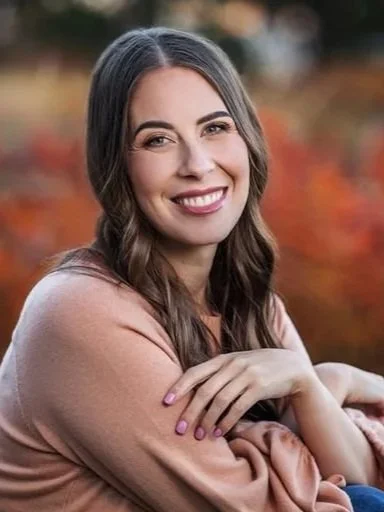
Sara Gael is a psychedelic therapist, educator, and organizational leader. She currently serves as the Project Lead for the P.E.A.C.E. program. Sara has 14 years of experience in the psychedelic field including psychedelic therapy, peer support, and community movement-building.
Sara is the Co-Founder of Memoru Center for Visionary Healing Arts. She provides mentorship, consulting, and strategic support to organizations and individuals in the psychedelic ecosystem. She worked at the Multidisciplinary Association for Psychedelic Studies (MAPS) for 10 years, where she served as Director of Harm Reduction, overseeing the work of the Zendo Project and scaling peer support services to four continents, training thousands of individuals, and bringing peer support to over 6,000 individuals. She was Board President of DanceSafe, a national harm reduction and drug checking organization.
Sara was the appointed harm reduction advocate representative on the Denver Psilocybin Mushroom Policy Review Panel and spearheaded the MAPS Denver First Responder Psychedelic Crisis Assessment and Intervention Training. Sara served as an Investigator/Therapist for Lykos Therapeutics Phase 2, Phase 3, and MT-1 clinical trials researching the safety and efficacy of MDMA-Assisted Therapy for PTSD and has served as a Lykos Educator and Associate Supervisor. She is the Lead Facilitator and founding Course Director for the Integrative Psychiatry Institute Psychedelic Assisted Therapy Training, overseeing a global faculty of over 30+ esteemed mental health experts, developing over 300 hours of curriculum, and delivering quality education to over 2,000 students.
Sara believes in the potential of psychedelics as catalysts for individual, community, and collective healing and the need to responsibly and ethically steward these medicines into mental health and society.

-
Kate has worked in the emergency medicine field since beginning her nursing career in 1985. 25 years ago, Kate was asked to work for Burning Man providing medical care and within two years she became the Chief of Medical for the Burning Man Emergency Services Department. 10 years into that role she was asked to become the Chief of Emergency Services, overseeing Medical, Fire, Communications, and Crisis Intervention at the event. It was in this role that Kate became involved with the Zendo project, an organization providing psychedelic harm reduction at the Burning Man event.
In 2023, Kate was asked to work with the Multidisciplinary Association for Psychedelic Studies (MAPS) to participate in the pilot program to deliver psychedelic harm reduction training to medical and law enforcement first responders, and later that year to be a part of a panel discussion on harm reduction at their conference in Denver, Colorado.
-
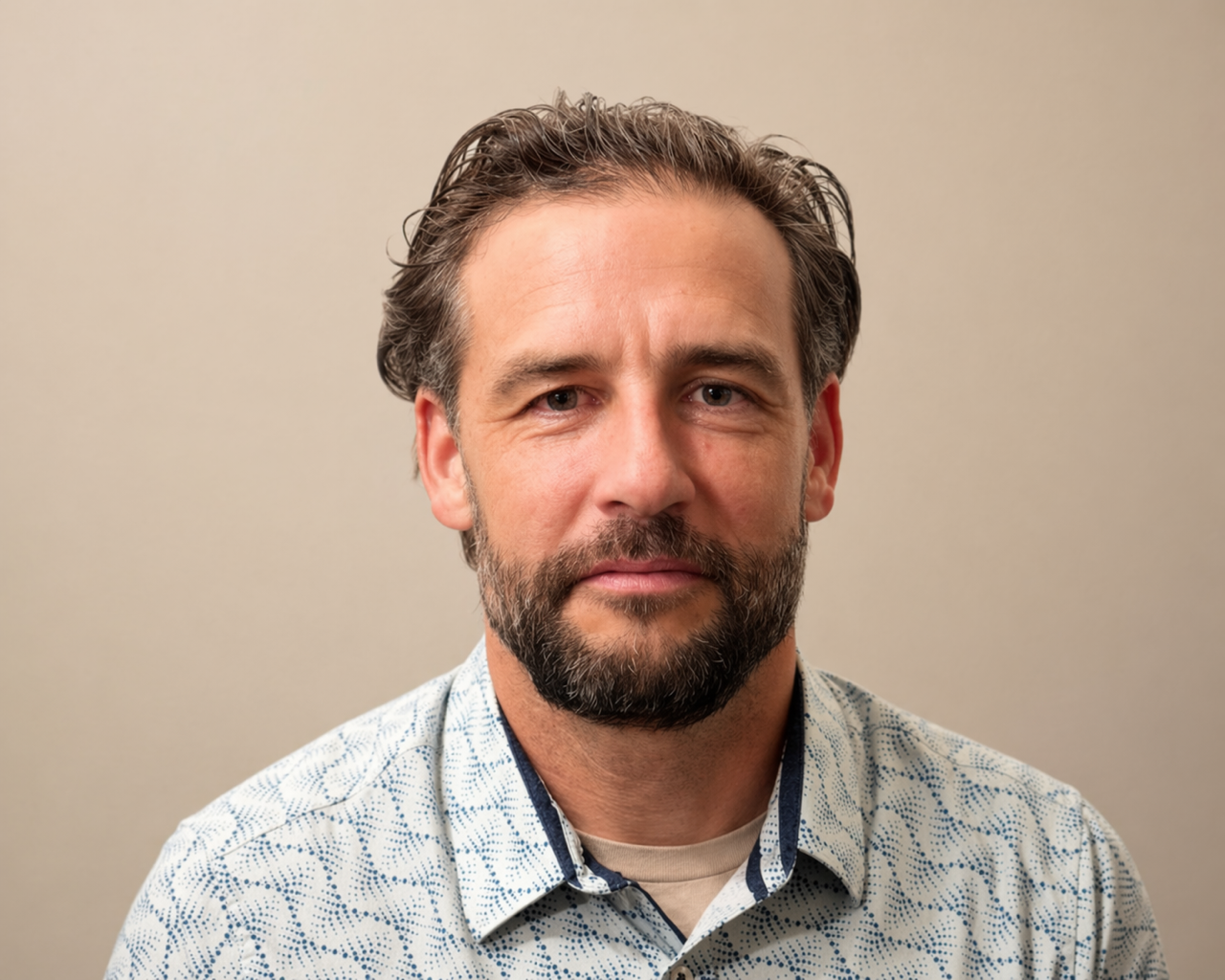
Dr. Toby Salz is an emergency physician based in Northern California with over twenty years of experience caring for patients and training the next generation of first responders. As the Medical Director for the Novato Fire Protection District, he works closely with paramedics on education, case review, and continuous quality improvement initiatives.
At the county level, Dr. Salz serves on several committees, including the Marin County EMS Physician Advisory Committee and the Policies and Procedures Committee, where he helps shape and approve annual updates to countywide emergency care protocols.
Dr. Salz is deeply committed to strengthening the bridge between prehospital and hospital-based medicine and to fostering thoughtful, compassionate approaches to patient care in high-stress environments.
Testimonials
Hear what participants have had say about the P.E.A.C.E. Training for Emergency Medical Professionals
Emergency Medical Services Community Advisory Committee
The P.E.A.C.E. Emergency Medical Services & Emergency Medicine Community Advisory Committee (CAC) has been instrumental to the implementation of the P.E.A.C.E. program - each member has offered insights into the needs, challenges, and best practices within the emergency medical community. With expertise and dedication, the CAC has helped to shape the direction and quality of psychedelic-informed care in Ohio. We are grateful for their support!
Travis Sharkey-Toppen, MD, PhD – Medical Director, Ohio State Center for EMS; Medical Director, Worthington Fire Department; Medical Director, City of Westerville Division of Fire & EMS
Dr. Travis Sharkey-Toppen is a board-certified emergency medicine physician at The Ohio State University Wexner Medical Center who specializes in providing acute care for patients experiencing urgent and life-threatening conditions with a particular focus on pre-hospital and emergency medical services (EMS).
In addition to his clinical responsibilities, Dr. Sharkey-Toppen is passionate about advancing emergency medical services through education and innovation. He completed both his residency and EMS fellowship at The Ohio State University and now serves as an Assistant Professor of Emergency Medicine. Dr. Sharkey-Toppen contributes to the OSU Center for EMS where he helps strengthen real-world training opportunities for local EMS providers and supports efforts to improve pre-hospital care delivery. As an EMS physician, he focuses on strengthening educational opportunities directed at real-world experiences of our local EMS providers.
Peter G. Shields, MD, EMT-P – Emeritus Professor, Department of Internal Medicine, Ohio State University
Dr. Peter G. Shields is currently an emeritus professor in the Department of Medicine at The Ohio State University College of Medicine and in the Division of Epidemiology at the Ohio State University College of Public Health. Until June 30, 2023, he was the Deputy Director of the NCI-designated Comprehensive Cancer Center (OSUCCC) and the James Cancer Hospital.
Dr. Shields moved his research program to OSU from Georgetown University in 2011, where he was Professor of Oncology and Medicine and Deputy Director of the Lombardi Comprehensive Cancer Center. At Georgetown, he also was the past Interim-Chair of the Department of Medicine, Associate Director for Cancer Control and Population Sciences, and Program Leader for Cancer Genetics and Epidemiology in the Cancer Center.
Dr. Shields' molecular epidemiology research focuses on the tobacco cessation, tobacco product toxicity (including electronic cigarettes), carcinogenesis (especially lung cancer), biomarkers and development of phenotypes and gene-environment interactions for cancer risk.
Brian Stroh, MD – CEO & Medical Director, Netcare Access
Dr. Brian Stroh is the Chief Executive Officer and Medical Director of Netcare Access, an organization he has served with distinction for nearly two decades. A double Buckeye, Dr. Stroh earned his Bachelor of Science in Psychology and his Doctor of Medicine from The Ohio State University, where he also completed his psychiatry residency and served as Chief Resident. Since joining the Netcare staff in 2006, he has ascended through key leadership roles, including Assistant Medical Director, before being appointed to his current dual executive leadership position in 2021.
Board-certified by the American Board of Psychiatry and Neurology, Dr. Stroh is a dedicated educator and community advocate. He remains deeply committed to clinical mentorship, frequently hosting medical students and residents within Netcare’s training programs. Beyond his clinical and administrative duties, Dr. Stroh is a long-standing contributor to the Crisis Intervention Team (CIT) training program, where he serves as both an instructor and a facilitator to improve emergency responses to mental health crises.