
Research
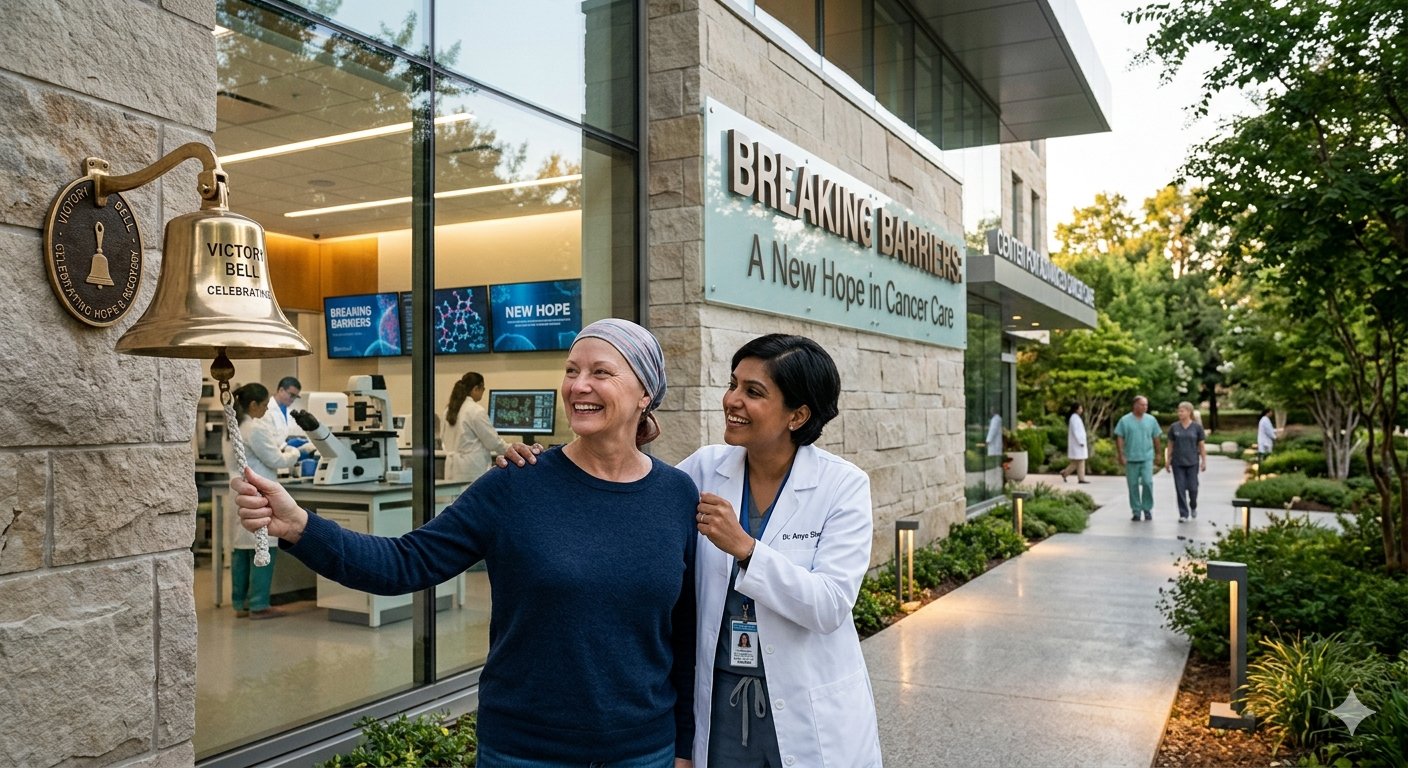
Breaking Barriers: A New Hope in Cancer Care
Individuals diagnosed with cancer often experience accompanying mental health difficulties, including depression. Many existing treatments for depression, such as SSRIs, may not be very effective which may then lead to poorer treatment outcomes and survival rates. This is especially problematic for patients with the most common type of lung cancer, known as Non-Small Cell Lung Cancer (NSCLC), because this patient population experiences the highest rates of depressive symptoms, mood disorders, and suicide rates among all cancer types. The CPDRE, in collaboration with OSU’s Center for Tobacco Research and Comprehensive Cancer Center, will be launching a clinical trial to look at the use of the psychedelic drug, psilocybin, as a treatment for depression in NSCLC patients. This will be the first clinical trial to study the therapeutic use of psychedelics for patients with this specific cancer type. Similar studies suggest psilocybin may help relieve cancer-related depression and contribute to better quality of life and treatment outcomes. We look forward to starting our study!
If recruitment opens up, we will update this page. Only OSUCCC – James patients are eligible.
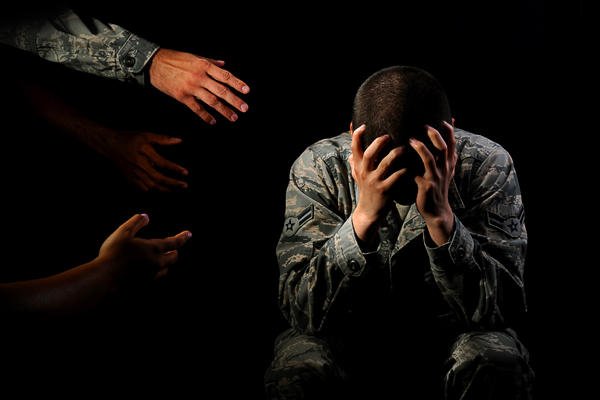
Single-dose psilocybin for U.S. military Veterans with severe treatment-resistant depression – A first-in-kind open-label pilot study
Background: The enduring and severe depression often suffered by Veterans causes immense suffering and is associated with high rates of suicide and disability. This is the first study to evaluate the efficacy and safety of psilocybin in Veterans with severe treatment-resistant depression (TRD).
Methods: 15 Veterans with severe TRD (major depressive episode failing to respond to ≥5 treatments, or lasting >2 years) received 25 mg of psilocybin. Primary outcome was change in Montgomery-Åsberg Depression Rating scale (MADRS) at 3 weeks posttreatment. Response was defined s ≥ 50 % reduction in MADRS, and remission as ≤10 MADRS score. Psychedelic experience was assessed using the Five-Dimensional Altered States of Consciousness scale (5D-ASC). Safety measures included assessment of suicidality and adverse events. Participants on antidepressants were tapered to avoid drug interactions.
Results: Of 15 participants, 60 % met response and 53 % met remission criteria at Week 3. At 12 weeks, 47 % maintained response, and 40 % remission. Co-morbid PTSD did not significantly influence study outcomes. The psychedelic experience reported in 5D-ASC did not correlate with response. Participants judged to need antidepressants were restarted and considered non-responders from that timepoint (n = 4). No unexpected adverse events occurred.
Limitations: Limitations include the small sample size, and the uncontrolled and unblinded nature of the study.
Conclusions: In this first study on psilocybin for Veterans with severe TRD, a surprising response and remission was seen. Many Veterans had PTSD though no moderating impact of response was observed. The degree of psychedelic experience did not correlate with depression changes. Further study is warranted.

Naturalistic psychedelic experiences and gender-based self-acceptance in transgender and gender-expansive people
Background: While psychedelic medicines have increasingly been studied for their utility as an adjunct to psychotherapy, transgender and gender-expansive (TGE) individuals have rarely been the focus of psychedelic research. This study examines TGE people’s naturalistic, non-clinical psychedelic experiences to explore how TGE people use psychedelics and how they describe relationships between psychedelic use and their gender journey.
Methods: Informed by Black feminist epistemological methodology, we conducted a qualitative analysis of 20 in-depth, hour-long, semi-structured Zoom interviews of TGE individuals who previously responded to a quantitative survey about their psychedelic experiences. The interviews explored participant narratives about their naturalistic psychedelic use and how it may have informed their gender journey.
Results: We found three main themes. First, participants described how their mindset and the setting of their psychedelic experience influenced the quality of that experience. Second, many participants reported that naturalistic psychedelic experiences facilitated increased self-acceptance of their gender identity via increased self-compassion and an expanded concept of gender. Third, some participants described various experiences related to their mental health during and after naturalistic psychedelic use, including challenging experiences such as gender dysphoria and mental health benefits such as gender euphoria.
Discussion: These observations may help mental health clinicians better support TGE people who use psychedelics. Clinicians should consider encouraging the preparation of a gender-affirming setting and mindset before psychedelic use and supporting potential shifts in gender understanding and self-acceptance after psychedelic use. Tailored educational resources for TGE people who engage with psychedelic substances in naturalistic settings are needed.
Ibogaine Patient Survey
The objective of this study is to obtain real-world evidence (RWE) on the safety and effectiveness of the plant-based medicine, ibogaine, as an addiction treatment. In collaboration with researchers from Nova Southeastern University, we are developing an online survey tool to capture RWE from volunteer respondents on their use of ibogaine as an addiction therapy to advance an FDA ibogaine drug development program. The registry is designed to generate the critical scientific assessments and patient-reported outcomes needed to optimize physician and patient use of ibogaine. Furthermore, it will be used to assess changes in the offshore use of ibogaine as an addiction treatment option as opioid use disorder management approaches evolve toward more access to medication-assisted treatment (MAT) in the US.
This Survey is now closed. Stay tuned for study findings.
Social Workers’ Attitudes and Beliefs about MDMA-Assisted Therapy for Adolescents with PTSD
Given the widespread interest and ongoing study on MDMA-assisted therapy (MDMA-AT) for PTSD, its implications for unique populations—such as adolescents—require further understanding. Social workers will likely play a crucial role in the potential implementation of this intervention, but their perspectives remain unknown. The study includes 222 social workers randomized to read one of two vignettes about MDMA-AT or selective serotonin reuptake inhibitor–assisted therapy (SSRI-AT) for treating adolescent treatment-resistant PTSD. Participants rated each treatment’s acceptability, appropriateness, and feasibility, followed by drug stigma, perceptions of drug risk, and psychedelic knowledge. Participants in the SSRI-AT condition reported significantly higher mean ratings of treatment acceptability (p < .001; d = .72), appropriateness (p < .001; d = .72), and feasibility (p < .001; d =. 64). In the MDMA-AT condition, perceptions of MDMA risk were greater (p < .001; d = .59) and psychedelic stigma positively correlated with perceived risk of MDMA (r = .46, p < .001). Moreover, greater psychedelic knowledge was significantly related to less stigma (r = –.33, p < .001) and less perceived risk of MDMA (r = –.21, p < .001). Concerns among social workers about the acceptability, appropriateness, and feasibility of MDMA-AT for adolescents with PTSD may limit clinical trial recruitment, engagement, and future implementation.
Obsessive Passion for Cannabis Use is Associated with Cannabis Outcomes Among Sexual Minority College Students
Background: We examined whether obsessive passion (OP) for cannabis use (e.g., cannabis use is enmeshed with identity and conflicts with values and other life priorities) predicts future cannabis use, use-related consequences, refusal self-efficacy, and satisfaction with life among sexual minority (SM) college students.
Objectives: Data were drawn from a prospective cohort study of 513 undergraduates at two U.S. Midwestern institutions. Of these, 142 students self-identified as gay (n = 15), lesbian (n = 15), bisexual (n = 94), pansexual (n = 13), asexual (n = 1), and other (n = 4) and were used in analysis. Canonical correlation analysis was used to explore dimensional relationships between OP and cannabis use and use-related outcomes.
Results: The first significant canonical correlation (Rc=0.62, p < 0.001) revealed higher levels of OP (−0.88) and greater past 30-day cannabis use (−0.74) at baseline predicted greater past 30-day cannabis use (−0.89), use-related consequences (−0.58), and lower refusal self-efficacy (0.77) at 10-month follow-up. The second significant canonical correlation (Rc=0.39, p < 0.01) revealed lower OP (0.41) and greater past 30-day cannabis use (−0.60) at baseline predicted greater past 30-day cannabis use (−0.43), refusal self-efficacy (−0.48), and satisfaction with life (−0.49) at 10-month follow-up.
Conclusions: Future research should explore whether OP for cannabis use is itself a modifiable target within cannabis use interventions for SM college students.