
The P.E.A.C.E. Program, funded by the Ohio Department of Behavioral Health, is being advanced in collaboration with the Multidisciplinary Association for Psychedelic Studies (MAPS) to establish evidence-informed education for Ohio’s behavioral healthcare, emergency medical services and emergency departments, and law enforcement professionals. The collaboration unites CPDRE’s research and workforce development expertise with MAPS’ decades of leadership in psychedelic harm reduction and clinical training to ensure professionals across systems are prepared to respond safely, compassionately, and effectively to psychedelic-related crises.
Trainees will learn from subject matter experts on how to provide care for individuals experiencing psychedelic crisis and implement harm reduction strategies to improve encounter outcomes. P.E.A.C.E. offers three distinct trainings, each tailored to meet the needs of different professionals. Each training course is comprised of on-line videos, quizzes, assessments, and a training seminar. Join us in building a skilled, psychedelic-informed workforce for Ohio.
Behavioral Health Professionals
Learn approaches which support improved crisis outcomes, enhance the safety and well-being of all involved, and foster compassionate, trauma-informed care for individuals in distress.
Online Training for Ohio Behavioral Health Professionals Now Available
Law Enforcement Professionals
Learn approaches which prioritize safety, de-escalation, and compassion, supporting improved outcomes for both the individual in crisis and responding officers.
Online Training for Ohio Law Enforcement Now Available
3.25 CPT credits awarded by Ohio Peace Officer Training Academy (OPOTA)
Emergency Medical Services & Emergency Medicine
Learn approaches to improve crisis outcomes, enhance patient and provider safety, and deliver compassionate, trauma-informed medical care during acute presentations.
Online Training for Ohio EMS Now Available
For EMS Providers, 4 CE will be awarded by The Ohio State University Center for EMS.
The Team Behind The P.E.A.C.E. Program
The Psychedelic Emergency, Acute and Continuing care Education (P.E.A.C.E.) Program is led by the Center for Psychedelic Drug Research and Education (CPDRE), with support from the Multidisciplinary Association for Psychedelic Studies (MAPS) and Ohio Department of Behavioral Health(DBH), to establish evidence-informed education for Ohio’s behavioral healthcare, emergency medical services and emergency department, and law enforcement professionals. Through this partnership, has licensed and integrated MAPS’ professionally produced training assets - specialized video modules on psychedelic crisis fundamentals, recognition, response, and responder liability - into the P.E.A.C.E. curriculum. These materials are then paired with live seminars and interactive learning, forming the foundation of Ohio’s first statewide psychedelic crisis and continuing-care education initiative. The collaboration unites CPDRE’s research and workforce development expertise with MAPS’ decades of leadership in psychedelic harm reduction and clinical training to ensure professionals across systems are prepared to respond safely, compassionately, and effectively to psychedelic-related crises.
The training materials are hosted online through the Community Wellness Initiative (CWI)’s Professional Resource Library, a secure, supportive space for professionals who work in High Intensity/High Impact professions (e.g., first responders and mental health professionals). The CWI is a working and learning collaborative where researchers, students, practitioners, and community partners develop practical workplace wellness solutions to address Ohio’s workforce crises in health, safety, and education.

When Psychedelic Experiences Turn into Crisis, Training Can Make All the Difference
By Sara Gael, MA, LPC
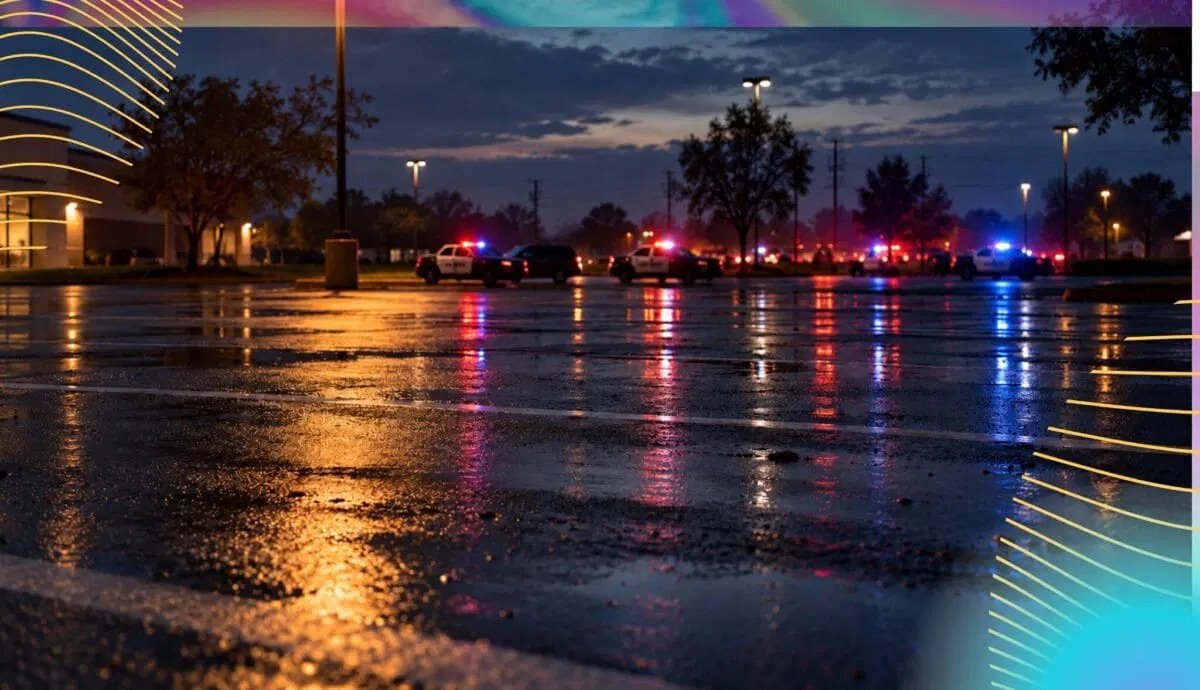
The call comes in like thousands of others: a man in a parking lot is frightened, disoriented, and pacing. A friend explains that he took psilocybin mushrooms a few hours ago and became convinced something is badly wrong. Within minutes, EMS, a mobile crisis team, or police will arrive. What happens next depends less on the substance taken than on whether the people responding understand what they are looking at.

Stay informed by subscribing to the CPDRE Nexus Newsletter
For Media Inquiries, please email: csw-cpdremedia@osu.edu

This training, and all original content contained herein, including digital and printed materials, curriculum content, slide decks, recorded lectures, training manuals, and any associated names, slogans, and logos related to the Psychedelic Emergency, Acute, and Continuing Care (P.E.A.C.E.) training (“P.E.A.C.E.”), are protected by United States copyright and trademark laws and may not be used, reproduced, distributed, modified, or displayed without express written permission from the program administrators.
Any communication made through this website or in connection with P.E.A.C.E. programming, including communications related to health, clinical care, or professional practice, is not confidential and does not create a provider–patient, therapist–client, supervisory, or consultation relationship.
All content and educational materials provided through P.E.A.C.E. are for educational and professional development purposes only. They are not intended to replace independent clinical judgment, agency protocols, medical advice, diagnosis, or treatment. Participants remain solely responsible for their professional decisions, actions, and compliance with applicable laws, regulations, licensure standards, and institutional policies.
P.E.A.C.E. does not encourage, promote, solicit, facilitate, or condone illegal activity, including the possession, procurement, distribution, or use of controlled substances. Educational discussion of substances or related clinical presentations is provided for harm-reduction, public health, and emergency response training purposes only.
By accessing or participating in P.E.A.C.E. programming, you acknowledge that you are responsible for your own professional conduct and decision-making, and you agree to release, indemnify, and hold harmless P.E.A.C.E., its sponsoring institutions, faculty, affiliates, and agents from any and all claims, liabilities, or damages arising from your use of the materials or participation in the training.