
Training for Behavioral Health Professions
Psychedelic Emergency, Acute, and Continuing-care Education (P.E.A.C.E.)
The P.E.A.C.E. Program’s Training for Behavioral Health Professionals is designed to equip professionals and community responders with the knowledge, attitudes, and skills necessary to effectively recognize and respond to psychedelic-related crises. Participants will learn evidence-informed approaches that prioritize safety, de-escalation, and compassion while supporting improved outcomes for individuals in distress and those providing care.
Through a trauma-informed and collaborative framework, the training explores strategies to reduce the risk of harm or escalation, strengthen coordination across medical, behavioral health, and public safety systems, and minimize liability for responders and organizations. In addition to addressing acute crisis response, participants will gain access to resources for supporting individuals after psychedelic use - enhancing integration, promoting long-term stabilization, and fostering continuity of care across disciplines and settings.
Training Overview
Training Structure
Module 1: Psychedelic Crisis Assessment and Intervention
Lesson 1: Fundamentals of Psychedelics
Lesson 2: Recognizing Psychedelic Crisis
Lesson 3: Responding to Psychedelic Crisis
Lesson 4: Psychedelic Laws and Mental Health Responder Liability
Module 2: Psychedelic Crisis Response: Applied Skills
Bridging Theory to Practice: Expert Perspectives on Psychedelic Crisis Response
Case Vignette and Demonstrations
Q&A (optional for certification)
Take the Course
P.E.A.C.E. training is hosted on the CWI Professional Resource Library, a private, curated platform for mental health professionals, first responders, and educators to learn, connect, and grow.
Follow these 3 steps to gain access:
Complete the required Pre-Course Assessment. You are not required to answer the assessment questions; however, submission of the assessment is necessary to be automatically directed to registration for P.E.A.C.E. Training for Behavioral Health Professionals in the CWI Professional Resource Library.
Complete CWI Registration and create an account. Please allow up to two business days for account approval.
Unlock dozens of additional professional development resources within the CWI Professional Resource Library as part of your registration. Start on your Training Path by clicking here
Certificate of Completion
A certificate of completion will be sent to all participants who complete the required components. Certificates will be sent via email within 21 days of training completion. Please note there are no continuing education credits awarded for this training.
Eligibility
Must be a licensed behavioral health professional working in Ohio.
Eligible licensed behavioral health specialists include, but are not limited to: Psychiatrists, Psychologists, Social Workers, Psychiatric Nurses, Licensed Marriage and Family Therapists, Licensed Professional Counselors, Peer Support Specialists, Mental Health Crisis Intervention Responders.
Behavioral Health Expert Trainers
-
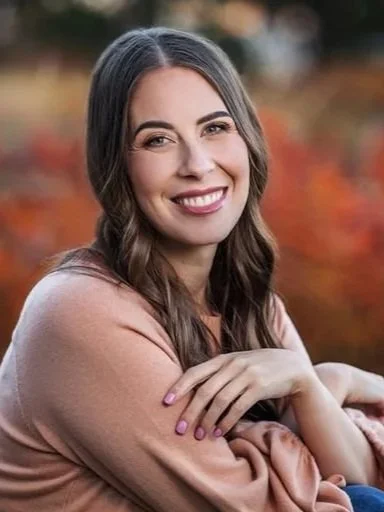
Description teSara Gael is a psychedelic therapist, educator, and organizational leader. She currently serves as the Project and Content Coordinator for the P.E.A.C.E. program. Sara has 14 years of experience in the psychedelic field including psychedelic therapy, peer support, and community movement-building.
Sara is the Co-Founder of Memoru Center for Visionary Healing Arts. She provides mentorship, consulting, and strategic support to organizations and individuals in the psychedelic ecosystem. She worked at the Multidisciplinary Association for Psychedelic Studies (MAPS) for 10 years, where she served as Director of Harm Reduction, overseeing the work of the Zendo Project and scaling peer support services to four continents, training thousands of individuals, and bringing peer support to over 6,000 individuals. She was Board President of DanceSafe, a national harm reduction and drug checking organization.
Sara was the appointed harm reduction advocate representative on the Denver Psilocybin Mushroom Policy Review Panel and spearheaded the MAPS Denver First Responder Psychedelic Crisis Assessment and Intervention Training.
Sara served as an Investigator/Therapist for Lykos Therapeutics Phase 2, Phase 3, and MT-1 clinical trials researching the safety and efficacy of MDMA-Assisted Therapy for PTSD and has served as a Lykos Educator and Associate Supervisor. She is the Lead Facilitator and founding Course Director for the Integrative Psychiatry Institute Psychedelic Assisted Therapy Training, overseeing a global faculty of over 30+ esteemed mental health experts, developing over 300 hours of curriculum, and delivering quality education to over 2,000 students.Sara believes in the potential of psychedelics as catalysts for individual, community, and collective healing and the need to responsibly and ethically steward these medicines into mental health and society.xt goes here
-
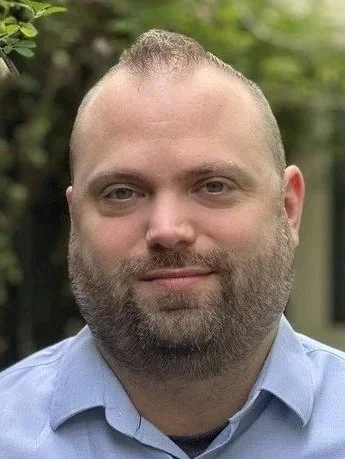
Dr. Brian Pilecki is the Clinical Services Manager and an Associate Scientist at the Portland Institute of Psychedelic Science, a subsidiary of Portland Psychotherapy Therapy Clinic, Research, and Training Center. He is an active researcher and a study therapist on several clinical trials including the investigation of the use of MDMA-assisted therapy for the treatment of social anxiety disorder.
Brian is also an instructor for Fluence, a leading psychedelic training organization where he provides training to psilocybin facilitators in state-level programs or to study therapists in clinical trials across the country. He is co-founder of Perspective Retreats which offers group psilocybin retreats in the Netherlands, and provides psilocybin facilitation to individuals and groups in the state of Oregon.
Brian is a co-founder of Portland Integration Network, a network of professionals offering specialized care related to psychedelics in Oregon. He is also the author of the book ACT-Informed Exposure for Anxiety and co-host of Altered States of Context, a podcast about psychotherapy and psychedelics.
-
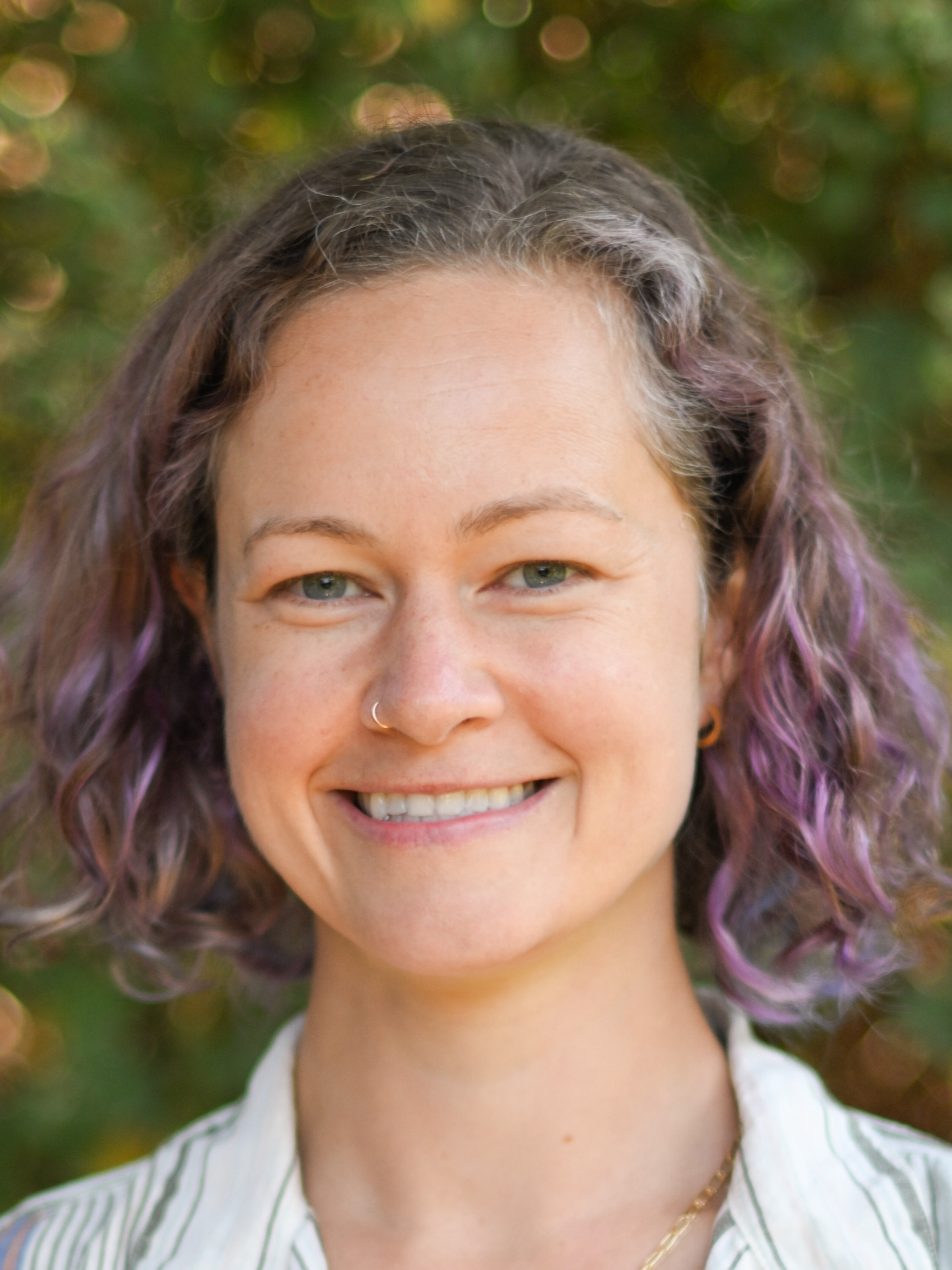
Irina is a co-founder and Clinical Director of Alchemy Community Therapy Center, a sliding-scale psychedelic therapy clinic in Oakland, as well as a street-based harm reduction therapist with the Harm Reduction Therapy Center in San Francisco.
Irina has a long history in direct service work and believes in the healing capacity of showing up for each other, individually and as a community. She feels passionate about making healing more equitable and accessible to marginalized communities.
Irina has worked as an Adherence Rater for MDMA clinical trials since 2017 and was the Therapist Trainer for a 2025 UCSF/DPH study of ketamine-assisted therapy treating methamphetamine use disorder.
-
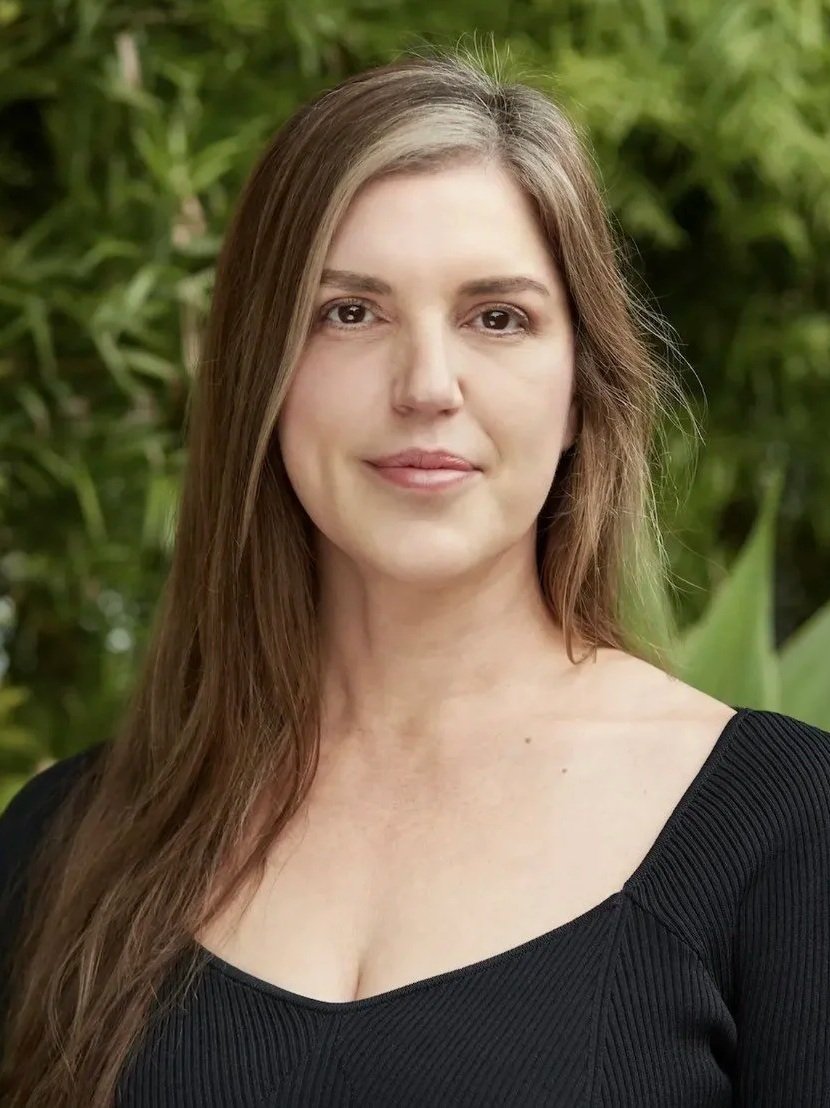
Brooke Balliett is a clinician, researcher and health care executive focused on the emerging field of psychedelic medicine. She has over 25,000 hours of direct clinical experience and nearly two decades of leadership in clinical and research psychology, including roles with Lykos, Compass, MindMed, Pacific Clinics, the West LA Veterans Administration and the LA County Department of Mental Health.
Brooke’s operational leadership spans clinical strategy, team development, quality management, and scalability, all grounded in ethical, patient-centered programming. In 2018 she founded the California Center for Psychedelic Therapy, Southern California's first psychedelic medicine clinic which she successfully led through expansion and merger in 2025. She is currently co-owner and operating officer of the Psychedelic Science Institute - a growing network of psychedelic research and treatment "TRIP Clinics".
Brooke draws on the full arc of her career to support the mission of delivering safe, effective psychedelic care, training the next generation of healthcare providers, and building systems of mental health care that help individuals and communities thrive.
Testimonials
Hear what participants have had say about the P.E.A.C.E. Training for Behavioral Health Professionals
Behavioral Health Community Advisory Committee
The P.E.A.C.E. Behavioral Health Community Advisory Committee (CAC) has been instrumental to the implementation of the P.E.A.C.E. program - each member has offered insights into the needs, challenges, and best practices within the behavioral health community. With expertise and dedication, the CAC has helped to shape the direction and quality of psychedelic-informed care in Ohio. We are grateful for their support!
Andrea Moreno, MSW, LISW-S – Chief Clinical Officer, Cairn Recovery Resources
Andrea Moreno is a Licensed Independent Social Worker with Supervision designation (LISW-S) and holds an MSW from Boston University. With over 10 years of clinical experience, Andrea specializes in trauma and substance use disorders, combining evidence-based practices with a compassionate, person-centered approach.
As a trained EMDR therapist, Andrea helps individuals heal from trauma and reclaim their lives. Her background includes extensive experience in crisis intervention, de-escalation, and clinical supervision. She has served in leadership roles - including Clinical Director - where she’s led teams, enhanced clinical programming, and driven measurable outcomes in client care.
Andrea is passionate about mentoring emerging clinicians, fostering collaborative environments, and building systems that truly support both clients and providers. With strong communication, critical thinking, and problem-solving skills, Andrea brings a steady, solution-focused mindset to every challenge.
Stefanie Robinson, PRS – Founding Executive Director, Hope Recovery Community
Stefanie Robinson is the Founding Executive Director of Hope Recovery Community (HRC), a peer-led Recovery Community Organization serving Northeast Ohio. With more than 17 years in personal recovery and over a decade of peer support and leadership experience, Stefanie has built HRC into a trusted model for trauma-informed, person-centered recovery support services.
Under her leadership, HRC has grown into a regional leader in recovery support, operating a Recovery Center that records over 25,000 recovery touches annually, providing 43 recovery housing beds, and cultivating the largest non-clinical recovery farm in the United States. HRC also employs more than 20 certified peer supporters, building a “peer army” that is fully integrated into Medina County’s systems—including jails, child welfare, youth and family services, and substance use disorder navigation.
Stefanie is nationally recognized for her work advancing recovery-oriented systems of care, recovery community organizations, peer support, recovery housing, and non-stigmatizing, person-first language. She also serves on the OneOhio Foundation Expert Panel, is the Ohio Affiliate Director of the National Peer Recovery Alliance (NPRA) and works as a consultant for the Center for Addiction Recovery Support (CARS). Stefanie has earned widespread recognition, including most recently the Athena Leadership Award (2024).
Mike Gersz, MSEd., LPCC-S, LICDC-CS, GAMB – Adjunct Instructor, Capital University and Columbus State Community College
Mike Gersz has worked in the behavioral health field since 2007 and currently holds the license of LPCC-S and LICDC-CS along with his gambling endorsement. He recently served as the Director of Outpatient Services at Maryhaven, where he managed outpatient treatment and prevention services in Franklin County.
Mike received his undergraduate degree from Ohio State University, majoring in Criminology and Sociology, and received his graduate degree from the University of Dayton in Clinical Mental Health Counseling. He received his Advanced Chemical Dependency Certificate from Columbus State Community College and currently serves as an adjunct instructor at Columbus State Community College and Capital University. Mike is a proud graduate of the PGNO Ohio Gambling Treatment Fellowship Program and Leadership Columbus Executive Edge Program.
Maritza Gonzalez Shephard, MSW, LSW
Maritza Gonzalez Shephard is a bilingual (Spanish/English) clinical social worker with extensive experience in psychiatric inpatient, residential, and outpatient care. In her role at a nationally recognized psychiatric hospital in Ohio, she conducts assessments, facilitates group, family, and individual interventions, manages discharge planning, and collaborates with multidisciplinary treatment teams to contribute significant insights to patient care.
Maritza holds a certification in Psychedelic Therapy and Integration through Vital (2024), which strengthens her expertise in preparation and integration support for individuals navigating experiences in altered states of consciousness. She co-created and currently leads the hospital’s Psychedelic-Assisted Psychotherapy Book Club, which provides colleagues with updates on research, advocacy, policy, and education to reduce stigma around psychedelic science.
In addition to her clinicsal role, Maritza is a certified hypnotic childbirth educator and birth doula, bringing a unique lens of guiding individuals through profound transitions in altered states of consciousness. She is the founder of The Inner Healing Doula. Maritza also collaborates with community colleagues to establish Altered States of Consciousness (ASC) support and integration groups, expanding access to safe and ethical care.
During her academic training, Maritza was recognized as the Outstanding Master of Social Work Student (2023) and served as President of the Phi Alpha Social Work Honor Society, reflecting her early commitment to academic excellence and leadership in the field.
Michael Vilensky, Ph.D. - Associate Professor, The Ohio State University Department of Psychiatry and Behavioral Health
Dr. Michael Vilensky is trained as a clinical psychologist and specializes in the treatment of substance use disorders. He received his Ph.D. at The Ohio State University in clinical psychology in 2015 and completed his clinical internship at the VA Pittsburgh Healthcare System, then stayed to complete a postdoctoral fellowship in VA Pittsburgh’s Center for the Treatment of Addictive Disorders. After fellowship, Dr. Vilensky returned to The Ohio State University as the clinic director of the Psychological Services Center and Assistant Professor in the Department of Psychology where he trained and supervised doctoral students in clinical psychology and oversaw clinic operations.
Dr. Vilensky founded the Addiction Recovery Clinic, which offers outpatient psychotherapy and clinical training for the treatment of substance use disorders. In 2019, he joined the faculty of the Department of Psychiatry and Behavioral Health at OSU’s Wexner Medical Center. He primarily works in the outpatient treatment program at Talbot Hall, OSU’s specialty addiction treatment clinic, with a focus on motivational interviewing and cognitive behavioral interventions.
Dr. Vilensky also has a grant-funded placement in the Substance Abuse and Prevention Clinic (STEPP), an integrated care setting for pregnant and postpartum people receiving high risk obstetric care and addiction treatment. Additionally, he trains and supervises psychology interns, psychiatry residents, and addiction medicine fellows in the department.